

Introduction
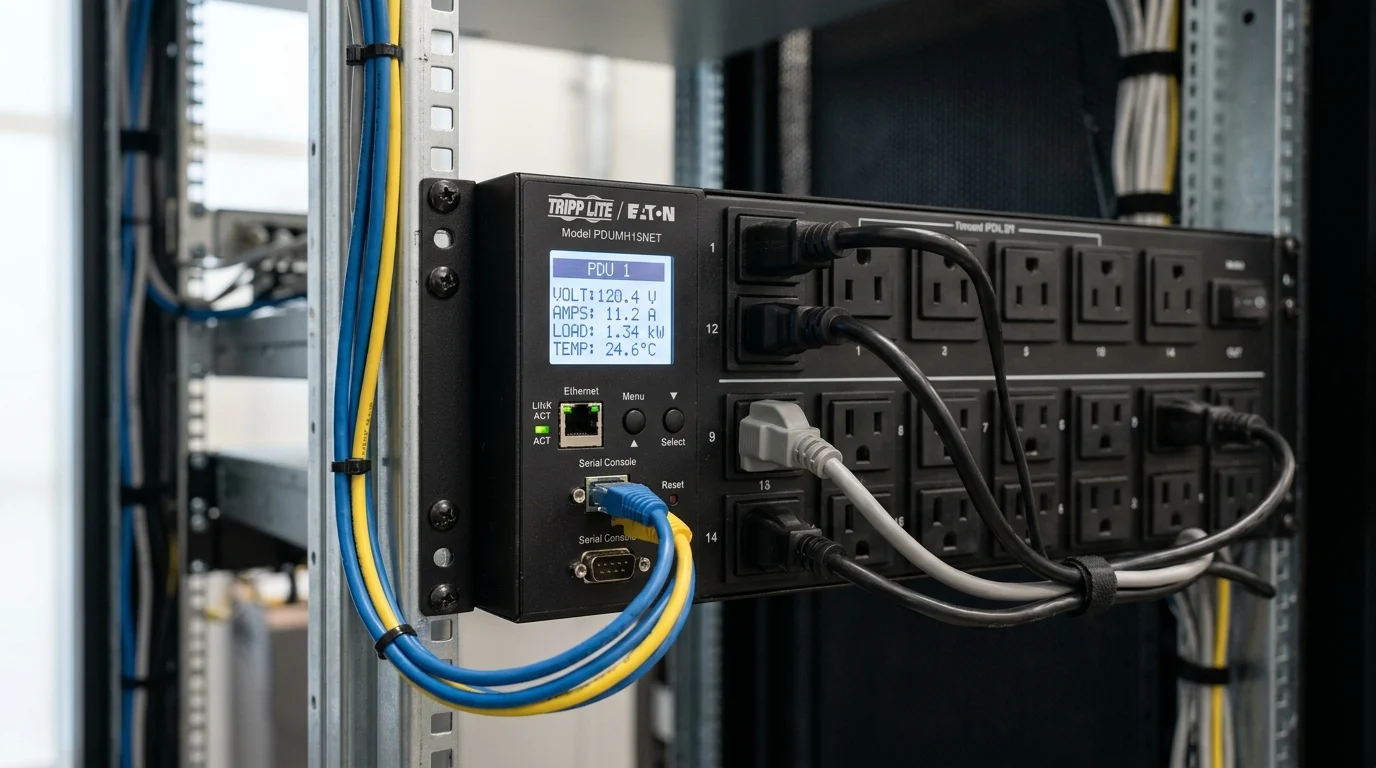
As edge computing spreads workloads across unmanned micro-data centers and remote IT sites, power distribution has become a frontline operational issue rather than a back-rack utility. Intelligent PDUs are gaining ground because they combine outlet-level control, remote rebooting, load monitoring, and environmental visibility in a single layer of infrastructure that helps prevent downtime and reduce service calls. This article explains why that shift is happening, what capabilities distinguish an intelligent PDU from a basic power strip, and how these systems support uptime, cost control, and scalable management in distributed edge environments.
Edge Computing and the Rise of Intelligent PDUs
The Edge Computing surge is reshaping modern networks, and pushing processing power closer to the user introduces significant logistical challenges. With dozens or hundreds of unmanned micro-data centers, a simple tripped breaker or frozen server is no longer a minor annoyance—it is a critical outage. This reality is driving a massive shift toward treating the Intelligent PDU as the non-negotiable backbone of modern edge deployments.
Business Case for Intelligent PDUs
Managing remote sites means that rolling a truck to manually reboot a locked-up server is painfully expensive. Facility managers typically budget between $400 and $800 just for a single emergency technician dispatch to an edge site. By deploying intelligent power strips, operators can remotely toggle individual outlets, effectively eliminating over 70% of those physical maintenance trips.
When scaled across a 50-site deployment, the return on investment is often realized within the first 12 to 18 months. Factoring in the cost of downtime, investing in smart power distribution is not just an IT upgrade; it is a financial necessity to maintain 99.999% uptime.
What Intelligent PDUs Do Beyond Basic Power
What do these units actually do beyond distributing electricity? They act as the central nervous system for unmanned cabinets. Rather than merely measuring voltage and current, they monitor environmental variables right at the rack level.
Administrators can plug temperature, humidity, and water leak sensors directly into the PDU. If a localized cooling fan fails and rack temperatures spike past 35°C, the PDU can trigger an automated alert or gracefully shut down non-essential equipment before hardware damage occurs. This capability turns a blind spot into a fully observable environment.
Intelligent PDUs vs. Legacy PDUs
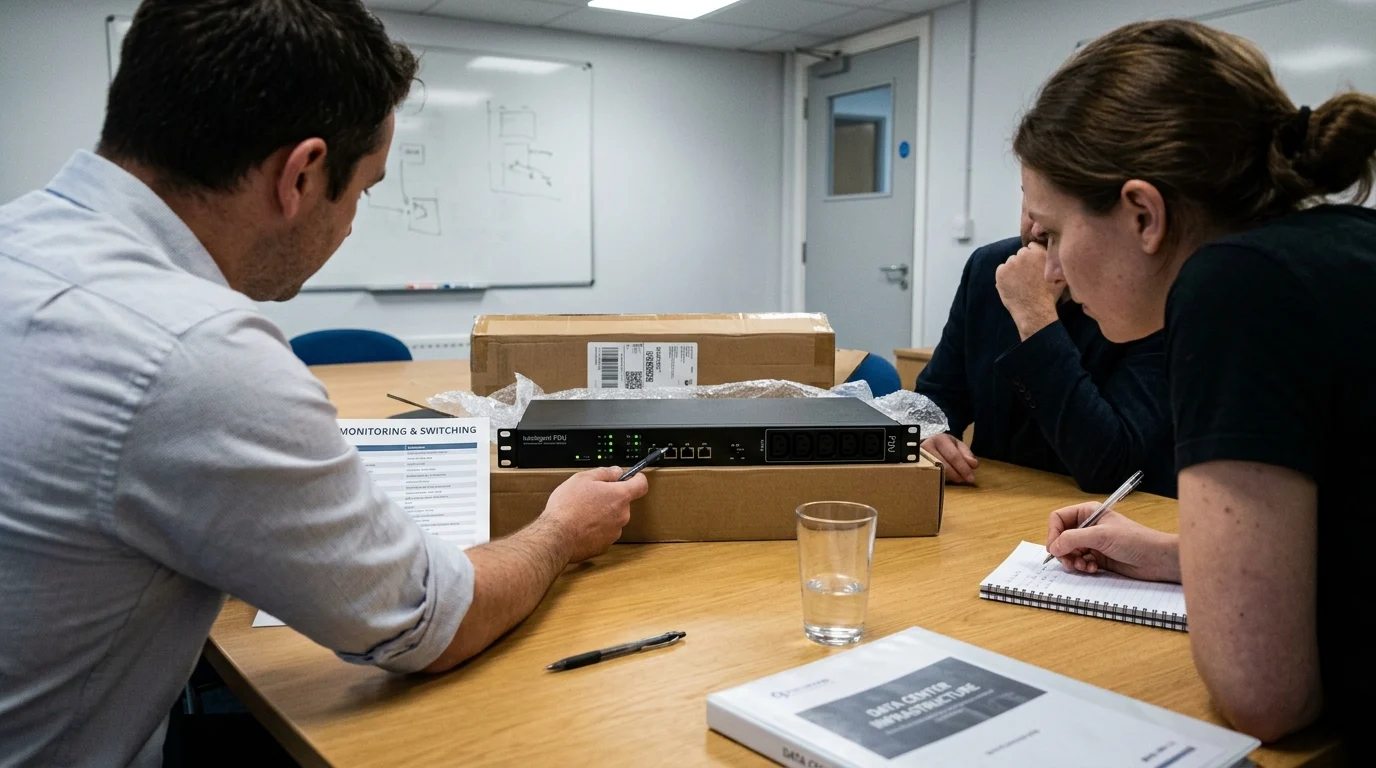
Upgrading from legacy “dumb” power strips to intelligent units fundamentally changes capacity management. While basic PDUs do nothing more than distribute power and perhaps offer a local LED amp meter, the operational gap between those legacy strips and modern smart racks is massive.
Key Specifications for Visibility and Control
When evaluating key specifications for visibility and control, metering accuracy is a top priority. Billing-grade metering with +/- 1% accuracy is critical when allocating power costs to specific departments or tenants sharing an edge facility.
Furthermore, Remote Monitoring capabilities must support standard protocols like SNMPv3, RESTful APIs, or Modbus TCP. Ambient operating temperature specifications are equally important; a solid intelligent unit should easily handle 60°C (140°F) environments, which is crucial since edge cabinets often experience wider temperature swings than climate-controlled enterprise data centers.
Trade-Offs Between Basic and Intelligent PDUs
There are trade-offs, primarily regarding upfront capital. A basic zero-U power strip might cost $150, whereas a fully switched and metered-by-outlet intelligent unit can range between $700 and $1,500 depending on the phase and amperage.
| Feature | Legacy Basic PDU | Intelligent PDU |
|---|---|---|
| Average Cost | $100 – $300 | $600 – $1,500+ |
| Remote Switching | No | Yes (Per Outlet or Bank) |
| Metering Accuracy | N/A or Local Only | +/- 1% Billing Grade |
| Environmental Sensors | None | Temp, Humidity, Door, Water |
| Network Connectivity | None | Gigabit Ethernet, Wi-Fi, SNMP |
Despite the higher initial cost, the operational savings from avoiding just two or three remote site visits completely offsets the price premium of the intelligent model.
Selecting and Deploying Intelligent PDUs

Standardizing a power setup across multiple edge locations requires upfront planning. A unified approach to Infrastructure is essential to ensure a smooth and predictable rollout.
Selection and Compliance Criteria
When selecting hardware, compliance and reliability form the baseline. Units should carry UL 62368-1 certification for safety and CE marks for European deployments. Another closely scrutinized metric is the Mean Time Between Failures (MTBF). For critical edge deployments, an MTBF of at least 300,000 hours is expected.
It is also vital to ensure the unit supports high-retention outlets or locking C13/C19 receptacles. A locking mechanism requiring at least 100 Newtons of pull force to disconnect is a lifesaver against accidental unplugs during routine cabinet maintenance.
Steps to Standardize Rollout
To standardize the rollout of Distributed Power systems, a phased approach is recommended. First, establish a standardized IP addressing scheme and define SNMP trap destinations before a single unit ships to the site.
Using a mass-configuration tool—often provided by the manufacturer via a USB drive or a centralized management appliance—allows administrators to push network settings, alarm thresholds, and firmware updates across hundreds of PDUs simultaneously. This ensures that a PDU in a remote cell tower cabinet behaves identically to one in a primary colocation facility. Locking down these configurations early keeps deployment times under 20 minutes per rack and eliminates the configuration drift that plagues decentralized networks.
Key Takeaways
- The most important conclusions and rationale for Intelligent PDU
- Specs, compliance, and risk checks worth validating before you commit
- Practical next steps and caveats readers can apply immediately
Frequently Asked Questions
Why are intelligent PDUs becoming standard in edge deployments?
They reduce costly truck rolls, enable remote outlet reboots, and provide rack-level monitoring for unmanned sites, helping maintain uptime across distributed micro-data centers.
What features should I prioritize when choosing an intelligent PDU?
Focus on switched outlets, +/-1% metering accuracy, SNMPv3 or REST API support, sensor ports, 60°C operating tolerance, and locking C13/C19 outlets.
How quickly can an intelligent PDU pay for itself?
In many 50-site edge rollouts, savings from avoided emergency visits and less downtime can offset the higher purchase cost within about 12 to 18 months.
Can Newsunn intelligent PDUs monitor environmental conditions?
Yes. Newsunn intelligent PDUs can work with temperature, humidity, and water-leak sensors to alert staff or trigger protective actions before equipment is damaged.
What compliance checks matter before deploying intelligent PDUs?
Verify UL 62368-1 safety certification, CE marking for Europe, and an MTBF around 300,000 hours or higher for reliable edge infrastructure operation.
Post time: May-11-2026