

How to Choose a 1U or 0U Basic PDU for Network Cabinets
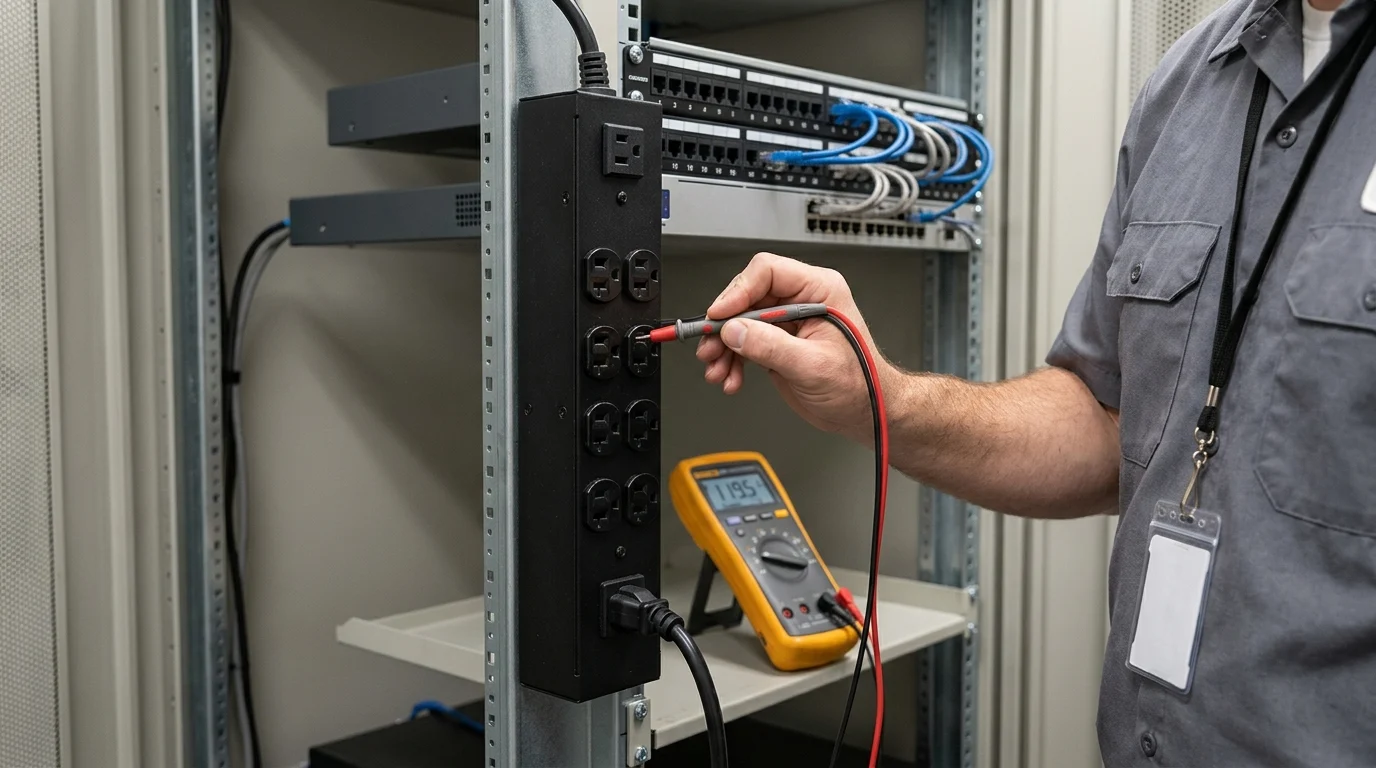
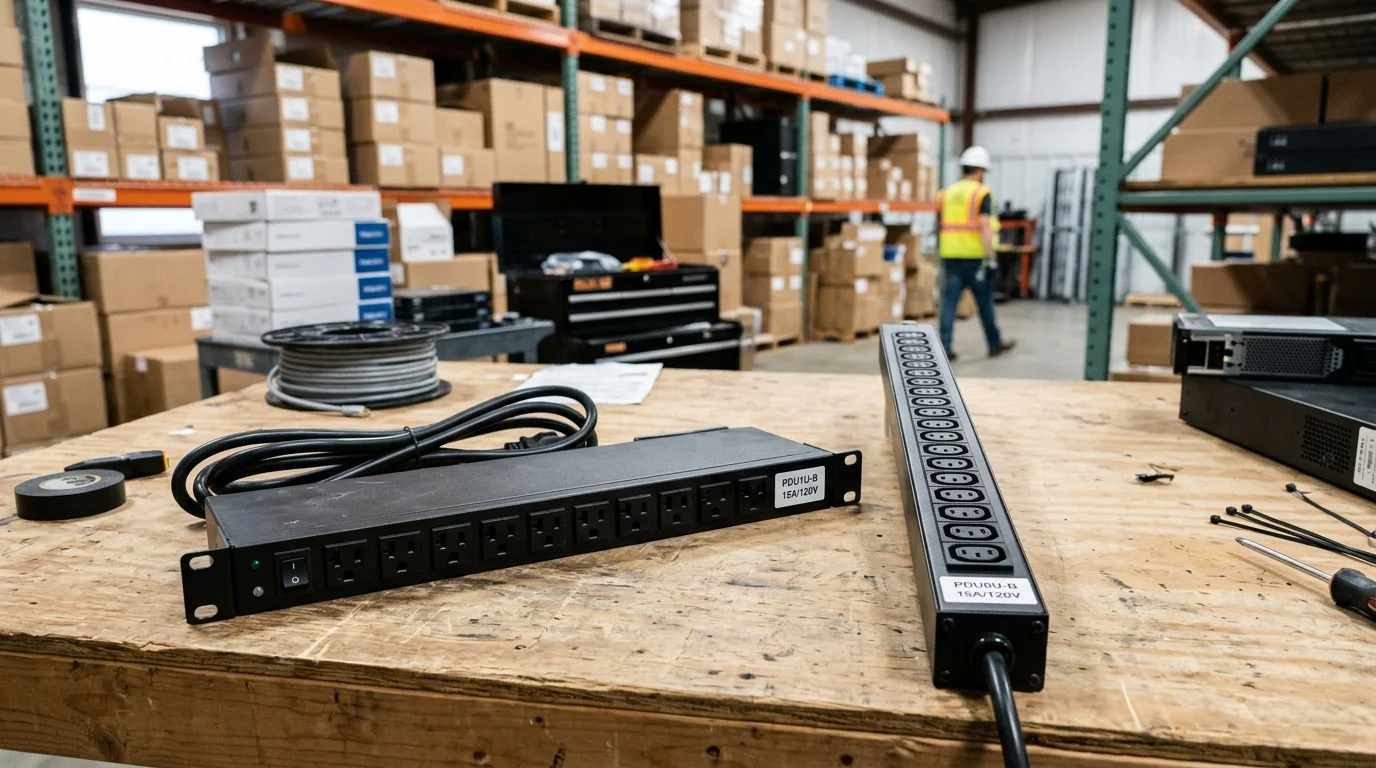
As a professional supplier with over a decade in this industry, we’ve built our foundation on manufacturing these essential components. Operating out of our extensive production base in the Cidong Industrial Zone, Cixi City—right next to the bustling Ningbo port—we’ve shipped countless units globally. We know firsthand that understanding the core mechanics of these devices is crucial before signing off on a bulk purchase order. To make the right procurement decision, you need to understand exactly what you are buying. Let’s break down the fundamental concepts you should know when evaluating basic power distribution units for your next major cabinet project. A basic PDU is exactly what it sounds like: a reliable, no-frills power strip designed specifically for IT racks. Unlike metered or switched models, it doesn’t have network connectivity, remote switching, or built-in software. Its sole job is to take a single power input and distribute it safely to multiple outlets. For most standard installations, a standard Horizontal PDU or its vertical counterpart is the most cost-effective way to power servers, switches, and routers without introducing complex electronics that could fail. Before looking at a catalog, you need to nail down the electrical requirements of your target market. You must confirm the input voltage (e.g., 120V vs. 208V/240V), the total amperage rating (usually 15A, 20A, or 30A), and the specific plug and receptacle types (like C13, C19, or regional standards like NEMA, Schuko, or UK plugs). Getting these specs wrong means dealing with returns, incompatible hardware, and angry clients. The primary difference between these two designs comes down to how they mount inside the server rack. A 1U unit mounts horizontally across the standard 19-inch rack space, taking up exactly one unit of vertical equipment space. On the other hand, a 0U Basic PDU mounts vertically on the back or side of the cabinet, consuming zero “U” space where the actual servers live. This physical difference fundamentally changes how you plan cabinet density and cable management. When sitting at the negotiation table or planning a product catalog for your distribution channel, choosing between 1U and 0U form factors isn’t just a matter of preference. It directly impacts the total cost of ownership for the end-user and dictates the types of cabinets you can confidently sell into. Comparing these two options requires looking at the physical constraints of the target installation environment. You also have to think about the long-term scalability of the data center or telecom room. If a client is maximizing their server count per rack, every inch of space matters. Conversely, smaller wall-mount cabinets have entirely different spatial rules. Let’s compare the two form factors across the most critical procurement criteria. Outlet density is usually the deciding factor for high-capacity deployments. A standard 1U unit is constrained by the 19-inch width of the rack, meaning it physically cannot hold more than 8 to 12 standard outlets. A 0U unit, however, can run the entire vertical length of a 42U cabinet, easily accommodating 24, 36, or even 48 outlets. Cable management can turn into a nightmare if the wrong PDU is selected. With a 1U unit, power cables from servers above and below must be routed to a single horizontal location, which can cause cable bunching. A 0U unit allows servers to plug into outlets located directly adjacent to them, reducing the length of power cords needed and keeping the back of the cabinet much cleaner for optimal airflow. Both form factors can support similar electrical ratings, but the way they handle load distribution differs. Because 0U models have more outlets, they often require higher input amperage (like 30A or 32A) and might feature multiple internal circuit breakers to prevent overloads. Whether sourcing a standard Network Cabinet PDU in 1U or a massive 0U strip, always ensure the internal wiring gauge matches the total load capacity. When comparing build quality, look at the housing material. An aluminum alloy chassis is standard for both, offering excellent heat dissipation and rigidity. The tradeoff usually comes down to features like surge protection or overload switches. It’s easier to fit bulky surge modules into a 1U chassis without sacrificing too many outlets, whereas adding them to a 0U chassis might increase its physical depth, potentially interfering with server rails. Knowing your customer’s typical use case is half the battle in B2B procurement. You don’t want to stock up on massive vertical units if your primary buyers are installing small edge computing nodes in retail closets. Procurement teams should build a clear profile of their end-users before finalizing their SKU mix. By mapping out specific applications, you can optimize inventory, reduce dead stock, and offer targeted advice to your sales channels. Let’s look at where each type of PDU naturally fits into the market and how to avoid common configuration errors that plague inexperienced buyers. 1U units are the undisputed champions of small-scale IT deployments. If your clients are working with wall-mounted cabinets, AV racks, or small 9U to 15U network enclosures, a 1U unit is exactly what they need. They are also ideal for top-of-rack networking equipment where switches and routers need a dedicated, isolated power source away from the main server loads. If your customers are outfitting enterprise data centers, colocation facilities, or standard 42U to 48U server racks, a Vertical PDU is the logical choice. When a rack contains 20+ servers, sacrificing rack units for power strips is a waste of expensive real estate. 0U units provide the necessary outlet density while keeping the equipment bays completely free for revenue-generating hardware. To serve your market effectively, build a product matrix based on local voltage standards and typical cabinet sizes. For the European market, you might stock 0U units with C13/C19 outlets and 1U units with Schuko plugs. For North America, NEMA 5-15R or 5-20R in 1U formats paired with high-amp 0U C13 units make a strong portfolio. Tailor your stock to the physical dimensions of the racks most commonly sold in your region. The biggest mistake buyers make is underestimating the required input cable length and plug orientation. A 0U unit with a short input cable might not reach the under-floor power feed. Another common error is failing to account for the physical depth of a 0U unit; if the cabinet is too shallow, the PDU might block the rear doors from closing once standard server power cords are plugged in. In the B2B world, importing electrical equipment carries significant liability. You cannot afford to cut corners on compliance and quality, because a single electrical fire caused by a faulty PDU can ruin a distributor’s reputation overnight. A cheap unit is never worth the risk if it lacks the proper certifications. Because our production base is in Cixi City, we are deeply familiar with the export requirements for different global markets. We know exactly what customs officials and local inspectors look for. Before wiring a deposit to any supplier, you need a strict checklist for safety, mechanical integrity, and pre-shipment verification. Never import a basic PDU without verifying its certifications. For Europe, CE and RoHS are mandatory. For North America, UL or ETL listings are non-negotiable for commercial IT environments. Ask your supplier for the actual test reports, not just the certificates, and verify them with the issuing laboratories to ensure they are valid for the specific models you are buying. Ask detailed questions about the internal components. Are the internal busbars made of high-purity brass or copper? What is the thickness of the aluminum housing? A high-quality PDU should feel robust and use fire-retardant plastics (like UL94V-0 rated materials) for the outlet modules. Request a sample and open it up—check the soldering quality and wire gauges yourself. Hire a third-party inspector or demand video proof of final testing before the goods leave the factory. The inspection should include high-voltage testing (dielectric strength), earth continuity checks, and a visual inspection of the plug molds and cable strain reliefs. Ensure that the actual outlet count and plug types match your PO exactly. Working with an experienced supplier mitigates these risks substantially. A manufacturer that has been in the industry for 10+ years understands the nuances of global compliance and has established quality control protocols. They already know that a PDU going to a UK data center needs different internal fusing than one going to a US telecom rack, saving you from costly specification errors. Calculating the true cost of your procurement involves much more than just the unit price. Logistics, packaging, and minimum order quantities (MOQs) play a massive role in your final landed cost. As a factory located near the Ningbo port, we frequently help our B2B partners optimize their shipping strategies to keep margins healthy. If you don’t plan your packaging and shipping carefully, you might end up paying more for freight than for the actual products, especially given the length and weight of 0U vertical units. Let’s dive into the supply chain math that every importer needs to master. Standard models usually have lower MOQs, but if you need custom cable lengths, specific outlet colors (for A/B power feeds), or unique plug combinations, the MOQ will jump. Ask your supplier what the threshold is for customization without incurring setup fees. Sometimes, tweaking a standard design slightly is enough to meet your needs while keeping the MOQ manageable. Packaging must be robust enough to survive ocean freight and domestic courier networks. For long 0U units, reinforced cardboard with custom foam inserts is required to prevent bending. Additionally, if you are selling through distribution channels, ensure the supplier can apply your custom barcodes, SKU labels, and brand logos on the individual boxes at the factory level. Leverage your supplier’s location. Sourcing from a factory near a major hub like Ningbo port significantly reduces inland freight costs and transit times. For 0U PDUs, palletization is critical; ensure the factory stacks and wraps the pallets correctly so they aren’t damaged by forklifts during container loading and unloading. To calculate your true landed cost, factor in ocean freight, import duties, customs clearance fees, and domestic warehousing. Basic PDUs are heavy due to the copper and aluminum, so freight costs can fluctuate wildly. Always quote your shipments on FOB terms so you have control over the ocean freight and can shop around for the best forwarder rates. We always encourage our B2B partners to look beyond the initial unit cost and focus on building a defensible product line. Whether that involves OEM branding or smart stocking strategies, here is how you can negotiate a deal that protects your channel margins. Negotiate a tiered pricing structure based on annual volume, not just the initial order. Always pay for production samples before mass manufacturing begins. Standard lead times are usually 25 to 35 days, but you should negotiate buffer stock agreements if you have predictable volume. For payment terms, a standard 30% deposit and 70% before shipment is typical, but long-term partners can often negotiate better terms. The best way to protect your margin is through private labeling (OEM). Having your own brand on the PDU prevents end-users from price-shopping the exact same SKU online. If you have significant purchasing power, try to negotiate regional exclusivity for specific custom configurations, ensuring you are the only source for that exact product in your country. Balance your inventory by keeping a deep stock of fast-moving standard 1U models while using just-in-time ordering for specialized, high-density 0U units. Work with your supplier to see if they can hold raw materials (like specific extrusions or outlet modules) to shorten the lead time on your custom SKU reorders. Differentiate your offerings by focusing on build quality, compliance, and warranty. If a competitor is undercutting you, it’s often because they are using thinner aluminum, copper-clad aluminum (CCA) wiring, or lack proper certifications. Educate your buyers on the total cost of downtime; a $10 saving on a cheap PDU is irrelevant if it takes down a $50,000 server rack. Even after ironing out the specs, compliance, and logistics, procurement teams usually have a few final questions before issuing the PO. Having clear answers to these common queries helps streamline the final approval process internally. Here are the most frequent questions fielded from B2B buyers right before finalizing an order, and the answers you need to proceed with confidence. If the cabinet is 42U or larger and houses multiple servers, 0U is objectively better because it saves rack space and improves cable management. If it is a smaller telecom rack, wall-mount cabinet, or primarily houses a few switches, 1U is the standard, practical choice. Yes, absolutely. Professional manufacturers can mix and match C13, C19, and regional standard outlets on the same PDU chassis. You can also specify the exact length of the input power cord and choose the specific input plug required for your facility’s UPS or wall receptacles. To get a fast and accurate quote, send the supplier the input voltage, total amperage, desired input plug type, exact quantity and types of output sockets, preferred form factor (1U or 0U), and your target order quantity. Mentioning the destination country also helps the supplier confirm the required certifications. Choose stocked, standard models when you need fast turnaround times for an urgent project or are testing a new market with low volume. Transition to OEM production when you want to build your own brand equity, protect your profit margins, and have the volume to meet the customization MOQs comfortably. Related Reading: 0U Basic PDU
Basic PDU Basics for B2B Buyers
What defines a Basic PDU in cabinet projects
Key specs to confirm first
How 1U and 0U designs differ
How to Compare 1U vs 0U Basic PDU Options
Rack space and outlet density
Feature
1U Basic PDU
0U Basic PDU
Mounting Orientation
Horizontal
Vertical
Rack Space Used
1U (1.75 inches)
0U (None)
Max Outlet Density
Low (Typically 6-12)
High (Typically 20-48)
Best For
Small racks, Wall-mounts
High-density 42U+ cabinets
Cable routing and cabinet fit
Electrical ratings and outlet standards
Build quality and feature tradeoffs
Best-Fit Applications and Customer Segments
When 1U is the better choice
When 0U is the better choice
How to build a product matrix by region and cabinet size
Common configuration mistakes to avoid
Compliance and Quality Checks Before Ordering
Required safety and compliance documents
How to verify electrical and mechanical quality
Pre-shipment inspection points
How supplier experience reduces sourcing risk
MOQ, Packaging, Logistics, and Landed Cost
MOQ and customization questions to ask
Packaging and labeling requirements for distributors
Export logistics and delivery planning
Landed cost factors beyond unit price
Negotiation and Channel Margin Protection

Pricing, samples, lead times, and payment terms
Private label and regional exclusivity options
Stock strategy for standard and custom SKUs
How to avoid price-only competition
Buyer FAQ Before Placing an Order
Which is better for standard cabinets: 1U or 0U
Can plug and outlet types be customized
What to send for an accurate quotation
When to choose stocked models vs OEM production
Key Takeaways
Post time: Apr-14-2026