

Latin America is experiencing an unprecedented surge in cloud infrastructure development. Major technology corporations are heavily investing in hyperscale data centers across Brazil, Chile, and Colombia to support digital transformation. This rapid expansion creates unique operational challenges for regional engineering teams. Facility managers must guarantee continuous uptime while dealing with distinct infrastructure variables. Securing a Reliable Monitored Rack PDU Exporter has become essential for operators who want to mitigate environmental risks. These advanced power distribution solutions provide critical visibility at the rack level. Consequently, international developers can safeguard their expensive hardware investments against unexpected grid events. High-performance power architecture establishes a strong foundation for sustainable digital growth throughout the South American continent. As cloud service providers deploy dense server configurations, energy management demands precision engineering. Standard hardware often fails under the rigorous requirements of modern hyperscale facilities. Therefore, selecting the correct export partner ensures technical alignment with local installation requirements. Modern infrastructure needs more than basic power distribution to maintain operational continuity.
Navigating South America’s Grid Paradox: Why Passive Power Distribution Fails
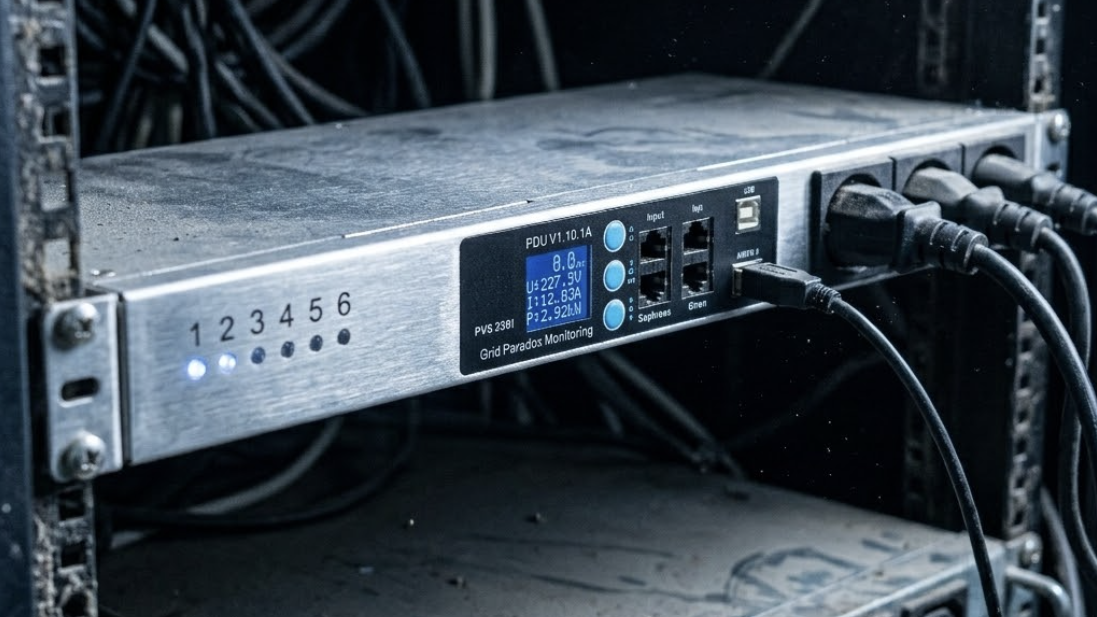
The South American power grid presents a complex paradox for modern data center installations. While major metropolitan areas boast advanced utility networks, secondary industrial zones often experience significant grid instability. Transient voltage fluctuations, unexpected micro-outages, and harmonic distortions occur regularly across regional distribution lines. High-density server nodes require highly stable electrical inputs to function correctly. Traditional passive power strips cannot shield sensitive equipment from these frequent power anomalies. Therefore, operators need active hardware that adapts to broad electrical variances. Industrial-grade intelligent units support a wide input voltage corridor ranging from 100VAC to 277VAC. This wide compatibility ensures that localized voltage drops do not disrupt critical server operations. Furthermore, the physical chassis must withstand harsh operational environments over time. Advanced enclosures utilize high-strength aluminum alloy with a tensile strength of 480 mpa. This robust metal profile provides superior heat dissipation for high-density environments. It also resists structural damage during long-distance maritime shipping and intensive installation cycles. Internal design innovations further improve overall physical safety. Specialized high-performance insulation materials completely isolate live electrical parts from the external aluminum shell. A built-in grounding device ensures absolute electrical safety for data center technicians. Ultimately, proactive power shielding minimizes hardware degradation over years of continuous service. Passive distribution simply exposes expensive infrastructure to avoidable risks.
The Regulatory Tollgate: Decoding INMETRO Barriers and Compliance Risk
Navigating the regulatory landscape in South America requires thorough planning and deep technical compliance. Many sovereign nations enforce strict safety and quality standards to protect critical industrial infrastructure. For instance, Brazil relies heavily on the INMETRO certification system to audit imported electrical hardware. Non-compliant power hardware often causes severe customs delays at regional ports of entry. These bureaucratic bottlenecks directly compromise the time-to-market schedules for multinational cloud providers. Sourcing pre-engineered, compliant hardware simplifies the entire international supply chain process. Global infrastructure teams look for manufacturers that prioritize premium raw materials. High-quality socket modules feature specialized PC/ABS composite engineering plastics. These materials deliver excellent insulation and comply with the rigorous UL94-V0 flame-retardant standard. This specific formulation dramatically reduces fire hazards within the server cabinet. Additionally, rigorous factory isolation assessments prevent potential leakage currents before deployment. Standard compliance protocols include a 2000V high-voltage Hi-pot isolation test. This check measures creepage distances and prevents internal cable damage during transit. Ground resistance tests ensure absolute insulation between the ground wire and the electrical poles. Choosing certified infrastructure components removes legal vulnerabilities and accelerates deployment timelines in competitive regional markets. Experienced engineering partners help operators bypass costly certification delays through documented product compliance.
Driving O&M Economics: Mitigating Latin America’s Field Technician Premium via SNMP
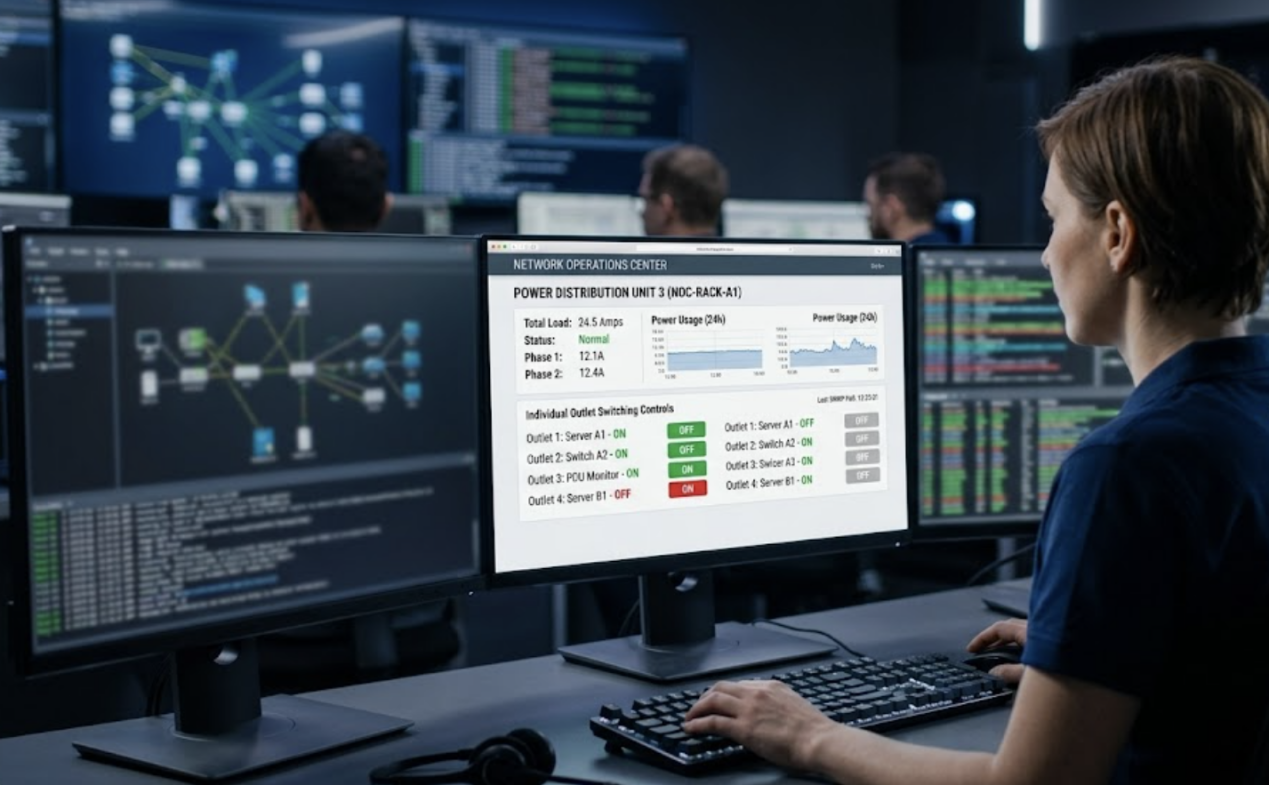
Managing operations across expansive Latin American geographies involves substantial logistics costs. Dispatching skilled field engineers to remote data center facilities for simple power reboots drains valuable financial resources. Traffic congestion in major metros like São Paulo further delays emergency manual interventions. To counter these challenges, smart infrastructure operators deploy the 19″ 1U standard 6-way C13 Intelligent Power Distribution Unit. This compact system offers comprehensive remote management capabilities to optimize daily maintenance. The hardware integrates seamlessly with existing building management software via open communication protocols. It supports HTTP, SNMP V1/V2, and MODBUS TCP/IP to deliver real-time data to global network operations centers. Operators can monitor voltage, current, active power, and frequency through a unified web interface. This granular insight helps teams understand how to streamline data center operations without relying on constant on-site personnel. Automated SNMP traps send immediate email notifications when power thresholds breach safe margins. Furthermore, the unit enables individual outlet switching for precise control. Technicians can execute a precise power cycle on a single hung server from thousands of miles away. This targeted control prevents accidental disconnections of adjacent critical systems. The integrated digital display provides on-site technicians with easy-to-read local telemetry. Users can track amperage, voltage, and IP addresses directly at the rack. Consequently, remote visibility lowers overall operational expenditures and improves system availability.
Engineering for Zero-Infant-Mortality: Newsunn’s Factory-to-Rack Trust
Long-distance exportation requires flawless manufacturing quality to prevent early hardware failures. When components travel across oceans, any defect found during installation incurs heavy replacement expenses. Therefore, Newsunn (Ningbo Newsun Network Ltd.) enforces a strict zero-failure quality control protocol at its production facility. The company implements a mandatory four-step testing methodology for every intelligent unit before packaging. Technicians conduct an extensive 48-hour online continuous aging test under precise thermal conditions. This procedure stabilizes electronic control modules and eliminates early component failures. In addition, a 120% full-load stress test verifies electrical thresholds under extreme operating conditions. Socket sleeves use pure phosphor bronze to ensure high conductivity and excellent wear resistance. This premium copper alloy offers high elasticity and corrosion resistance over extended periods. Ningbo Newsun Network Ltd. provides flexible, modular architectures to satisfy diverse power topologies. The company manufactures four distinct functional variations, categorized from Type A through Type D. Type A models deliver comprehensive total and individual outlet metering alongside independent switching controls. Conversely, Type D models focus exclusively on cost-effective total power metering. This versatile modularity allows hyperscalers to select the exact feature set required for their specific cloud layout. Newsunn ensures that every rack receives optimized, dependable power distribution from day one. Customers can also integrate optional sensors for temperature, humidity, smog, and water logging.
Conclusion
Sustaining the rapid growth of cloud computing across South America demands reliable hardware and expert engineering support. As data densities increase, power management infrastructure plays a decisive role in facility uptime and financial efficiency. Partnering with an experienced exporter allows cloud developers to bypass regional grid vulnerabilities and regulatory bottlenecks. Advanced intelligent PDUs offer the ideal combination of structural durability, remote telemetry, and regulatory compliance. These systems reduce field maintenance costs while protecting mission-critical equipment from sudden electrical anomalies. Investing in reliable power distribution solutions ensures long-term operational success in this dynamic economic landscape. For more technical specifications and customized power distribution solutions, please visit the official enterprise platform at https://www.newsunnpdu.com/.
Post time: Sep-13-2026