

Industrial automation requires a fundamental shift in how engineers manage electrical power distribution. Modern factory floors no longer view power rails as simple passive physical infrastructure. Instead, operational technology teams integrate smart energy monitoring devices directly into unified control systems. This convergence allows facility managers to optimize energy consumption and minimize expensive machine downtime. Consequently, evaluating reliable communication interfaces becomes a top priority for global system architects. Many international procurement managers evaluate the Top 10 Suppliers Of Modbus TCP IP PDU Solutions Provider models to secure ruggedized hardware for harsh manufacturing environments. This technical guide outlines the critical selection criteria for integrating smart distribution infrastructure into broader automation networks. By focusing on verifiable performance metrics, engineering teams can identify manufacturers capable of supporting long-term industrial deployments.
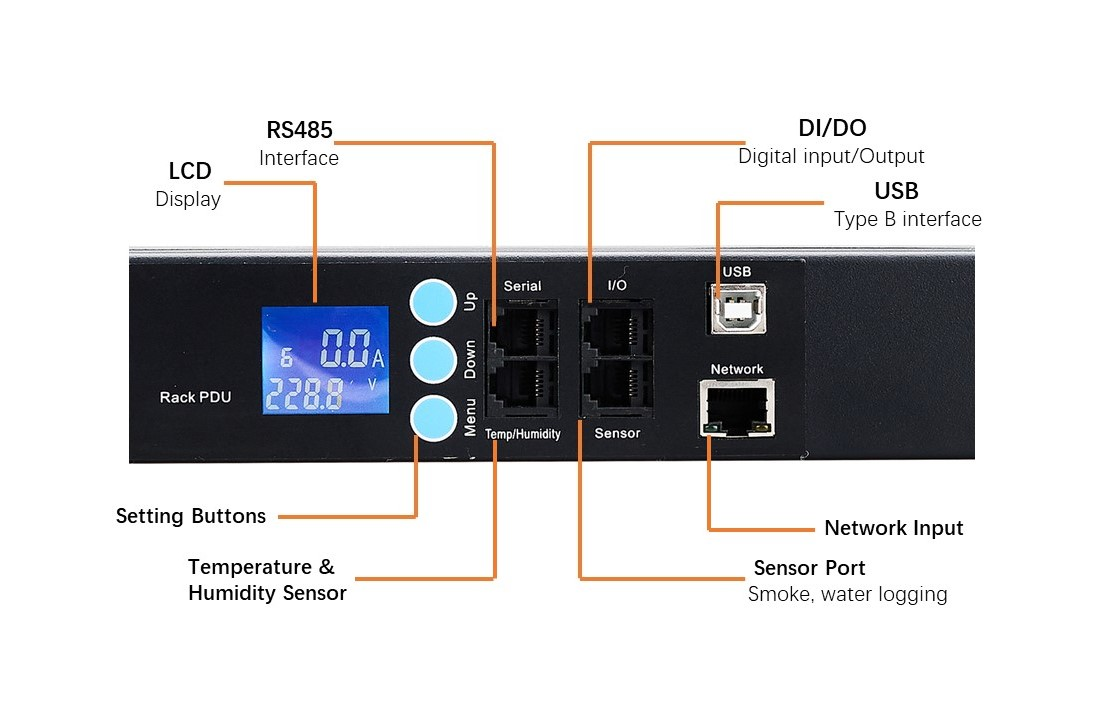
Auditing the Dual-Interface Architecture: Bridging Legacy RS485 Serial and Modern Ethernet Paths
Industrial IoT architectures frequently feature a mix of traditional legacy equipment and modern networking systems. Therefore, intelligent power hardware must adapt to heterogeneous fieldbus environments seamlessly. Technical auditors must evaluate the physical communication ports available on the distribution rails during the sourcing phase. Reliable industrial units feature a dual-interface layout that includes both serial and ethernet connections. The traditional RS485 serial interface utilizes the Modbus RTU protocol to support long-distance daisy-chain networks. This configuration minimizes physical cabling footprints across extensive conveyor lines or robotic assembly cells. Simultaneously, native RJ45 ethernet ports allow direct integration into local automation networks using the Modbus TCP/IP protocol. This native capability eliminates the need for expensive external protocol conversion gateways, which often introduce latency and act as single points of failure. Industrial integrators gain immense operational flexibility when a single hardware unit handles both operational layers natively. Furthermore, this dual-path design allows separate teams to pull telemetry data concurrently for different enterprise applications.
Critical Industrial Stability Benchmarks: Isolating Telemetry Signals Under Harsh EMI Footprints
Factory floors present severe environmental challenges that do not exist in traditional commercial data centers. Heavy industrial machinery, welding stations, and variable frequency drives generate intense electromagnetic interference. This ambient noise can corrupt delicate telemetry data packets moving through communication lines. As a result, standard commercial-grade power strips often fail when deployed near heavy industrial equipment. Technical audits must verify the presence of advanced signal isolation mechanisms inside smart power units. Elite hardware developers integrate optical isolation modules directly onto the internal serial communication pathways. This design protects the microprocessors from destructive ground loops and sudden voltage spikes caused by inductive loads. Furthermore, industrial-grade units require an independent internal hardware watchdog timer. If high electromagnetic noise freezes the network controller, the hardware watchdog automatically reboots the communication module within milliseconds. Crucially, this logical reset occurs without dropping the physical power load to connected machinery, preserving continuous factory operations.
Seamless Registry Mapping Protocol for High-Velocity Software Integration
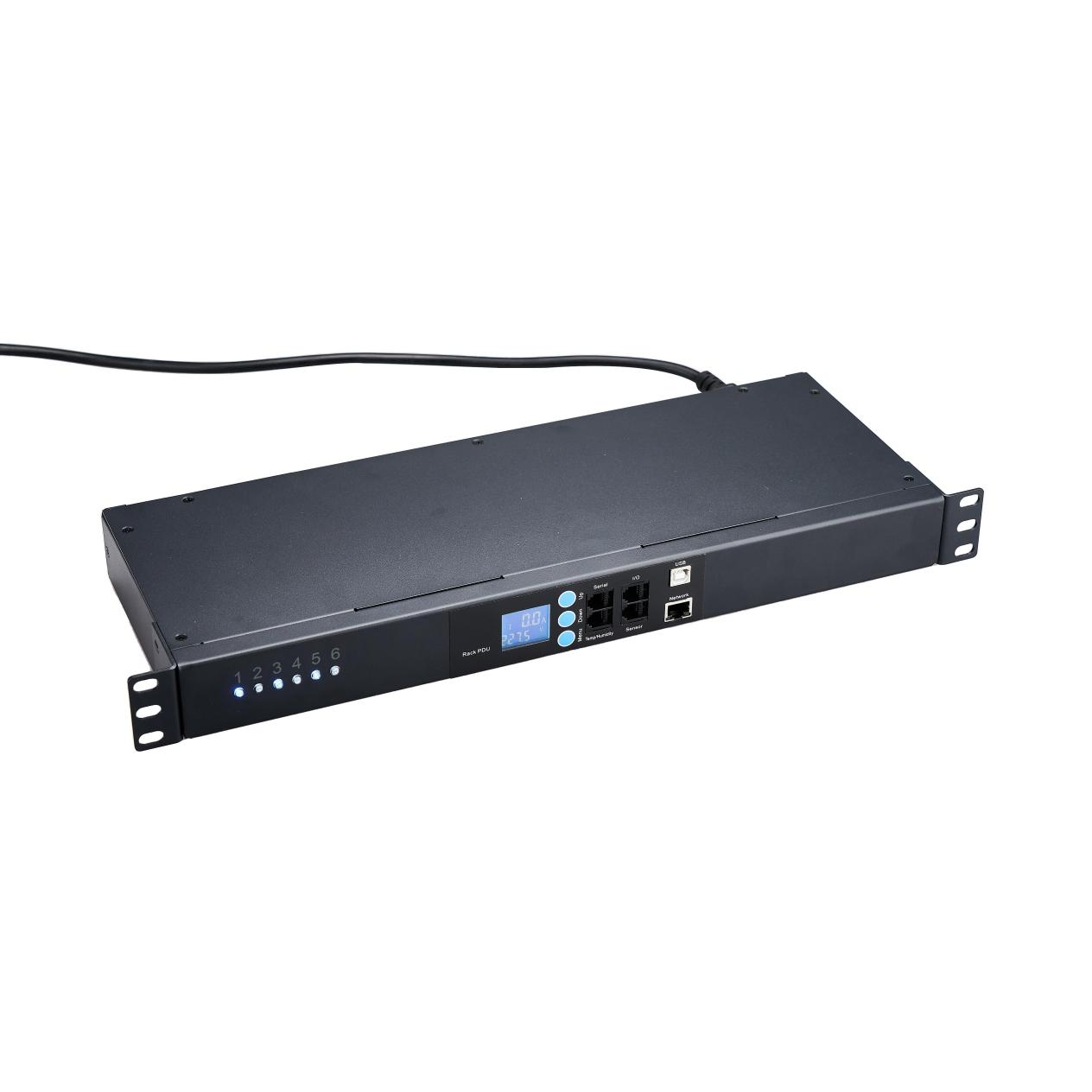
The speed of software integration dictates the overall timeline of large-scale industrial IoT deployments. Engineers frequently waste weeks writing custom software drivers to decode proprietary data structures from unstandardized field hardware. Therefore, procurement teams must demand clear, open, and pre-mapped Modbus memory registries from potential suppliers. Standardized registry maps allow automated control engines to polling voltage, current, and power factor parameters instantly. Moreover, the internal microprocessors must handle high-frequency continuous polling cycles without causing data degradation or interface lag. This processing capability ensures that Building Management Systems receive real-time telemetry for immediate automated load balancing. Beyond software compatibility, physical form factor constraints require careful mechanical consideration on the factory floor. Space-restricted industrial control cabinets demand slim hardware profiles that maximize available enclosure volume. To meet this specific need, engineering teams utilize a specialized 19″ 1U standard 6-way C13 intelligent power distribution unit configuration to deliver compact, network-ready power branching.
Quantifying Production Sovereignty: Aligning IIoT Specifications with Newsunn’s Manufacturing Capacity
Securing custom configurations without compromising on physical quality parameters requires a highly capable manufacturer. Many international suppliers function merely as basic component assemblers, which introduces significant dimensional variation across production batches. Global enterprise buyers mitigate these supply chain risks by partnering directly with vertically integrated industrial factories. For example, Newsunn operates a centralized manufacturing hub designed to maintain complete sovereignty over the entire fabrication process. The company operates a massive 30,000 square meters manufacturing facility that integrates core engineering processes under one roof. This extensive footprint includes dedicated workshops for tool making, precision injection molding, metal stamping, and automated electronic assembly. By maintaining direct ownership of these assets, Newsunn (Ningbo Newsun Network Ltd.) ensures absolute tolerance consistency for all smart power components. This integrated infrastructure supports a robust annual production output capacity of 1,200k units. Consequently, the factory easily sustains a predictable 25 to 30 days delivery cycle for complex transnational shipments. Furthermore, this manufacturing sovereignty allows the organization to provide exceptional sourcing flexibility to regional system integrators. While typical industrial suppliers demand massive bulk orders, Newsunn accommodates specialized technical designs with low minimum order thresholds starting at 100 units.
Multi-Stage Automated Quality Loops: Validating Compliance for Heavy-Duty Deployment
The final phase of a technical procurement audit must focus on the manufacturer’s internal quality assurance protocols. Basic electrical testing cannot uncover hidden physical or logical defects within intelligent communication circuitry. To eliminate early component failures, premier manufacturing facilities execute rigorous multi-stage automated stress testing. Technicians perform a mandatory 2000V high-voltage Hi-pot isolation test on every completed smart rail. This intensive check validates the integrity of the insulation barriers protecting the sensitive Modbus microchips from high-voltage line surges. Following the physical insulation checks, the hardware moves into an exhaustive online continuous aging chamber. The factory operates every smart unit under maximum load parameters for a continuous 48-hour thermal soak period. This extended test stabilizes the telemetry electronics and exposes any weak solder joints before packaging. Through these strict quality gates, Ningbo Newsun Network Ltd. delivers verified hardware performance that meets the demanding uptime requirements of heavy-duty industrial operations.
Conclusion: Securing Infrastructure Resilience with a Certified Sourcing Framework
Successfully integrating intelligent power hardware into industrial IoT networks requires a strict, data-driven sourcing methodology. System integrators must evaluate suppliers based on dual-interface compatibility, electromagnetic resilience, and vertical manufacturing assets. Selecting robustly engineered units reduces localized field maintenance costs and protects critical industrial automation processes from unexpected power disruptions. Ultimately, direct cooperation with an established industrial enterprise provides the production stability needed for large-scale operational technology rollouts. To review detailed technical drawings or discuss custom Modbus integration specifications, facility managers can visit the official corporate portal at https://www.newsunnpdu.com/.
Post time: Sep-15-2026