

Introduction
In data centers, power distribution does not need to be complex to be effective. A basic PDU delivers reliable, rack-level power without the added cost, management overhead, or failure points that come with monitored and switched alternatives. For many server rooms, network cabinets, and edge deployments, that simplicity translates directly into lower capital costs, easier installation, and dependable day-to-day operation. This article explains what a basic PDU is, where it fits best, and why its straightforward design continues to make it a practical foundation for modern infrastructure.
Why Basic PDU Is Still the Most Cost-Effective Choice
As someone who has spent years navigating the power distribution industry, I constantly hear the buzz surrounding smart tech, IoT integration, and remote power monitoring. Every trade show seems to push the next big digital breakthrough. However, when you cut through the marketing noise, standard, unmanaged power strips remain the unsung heroes of modern Data Center builds. Let’s explore why going back to basics is often the smartest business decision you can make.
Definition and Best-Fit Use Cases
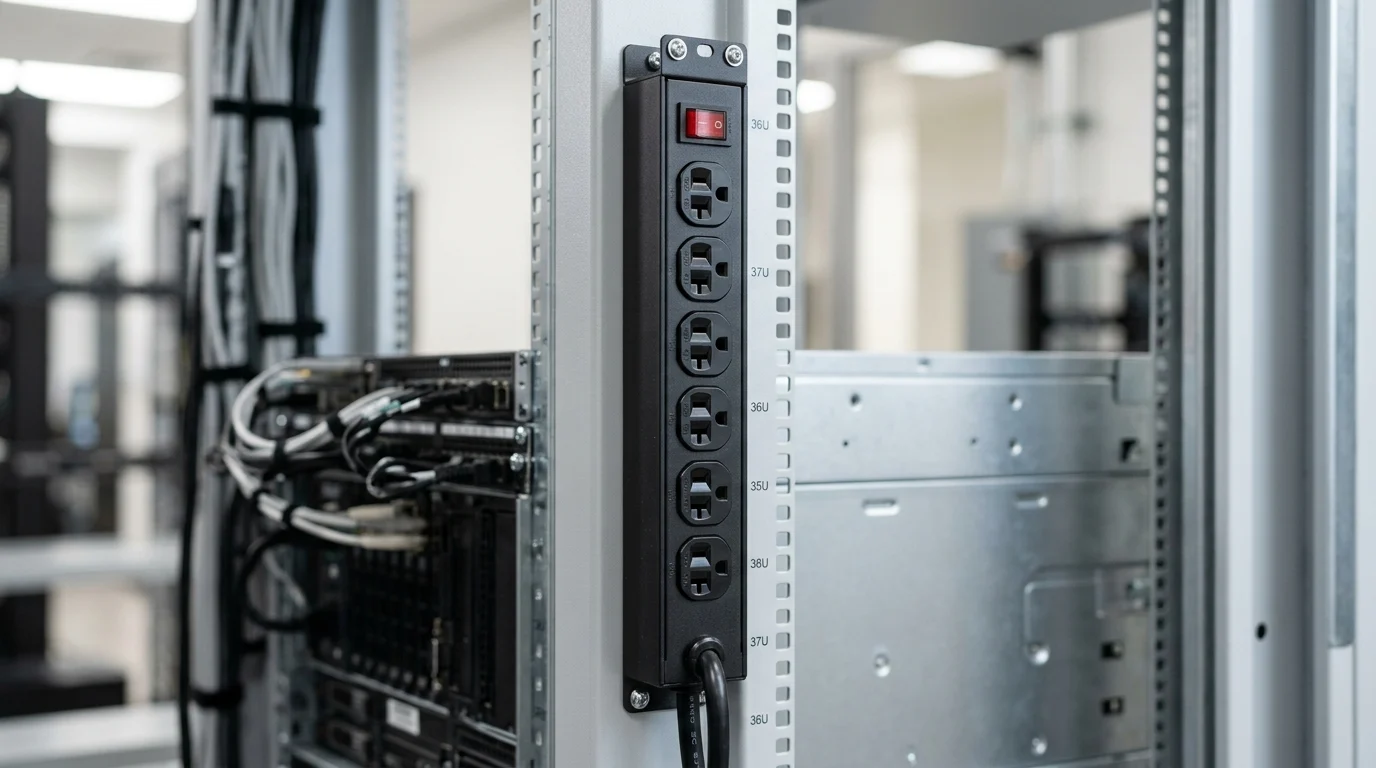
At its core, a Basic PDU is a heavy-duty, commercial-grade power strip designed specifically for server racks, network cabinets, and industrial enclosures. It intentionally strips away complex networking chips, fragile LCD screens, and remote-switching relays. Instead, it focuses entirely on raw, uninterrupted power delivery.
I’ve found these units to be the perfect fit for small-to-medium server roomss](https://www.newsunnpdu.com/products/), edge computing sites, and colocation facilities where the upstream uninterruptible power supply (UPS) already handles the heavy lifting of power monitoring. Typically rated to handle anywhere from 15A up to high-density 60A loads, they deliver exactly what your servers need without any unnecessary digital overhead. Whether you are deploying a single rack in a retail back office or hundreds of racks in a hyperscale facility, these units provide a bulletproof foundation. As facilities grow, power draw scales exponentially; choosing an over-engineered PDU for a simple networking closet is a common mistake that unnecessarily drains IT budgets.
Key Cost Advantages
When we sit down to talk budgets, these units are incredibly Cost-Effective. By skipping the smart chips and network interfaces, you are looking at upfront hardware savings of 40% to 70% compared to their intelligent counterparts. Imagine deploying 100 racks; saving $400 per rack translates to $40,000 in immediate capital that can be redirected toward faster servers or better cooling systems.
The savings do not stop at the hardware. You completely eliminate recurring software licensing fees, IP address allocation costs, and the ongoing labor required to patch firmware against evolving cyber threats. For massive, scale-out deployments where every dollar counts, eliminating these hidden, long-term lifecycle costs is a game-changer.
Basic PDU vs. Metered and Intelligent PDU
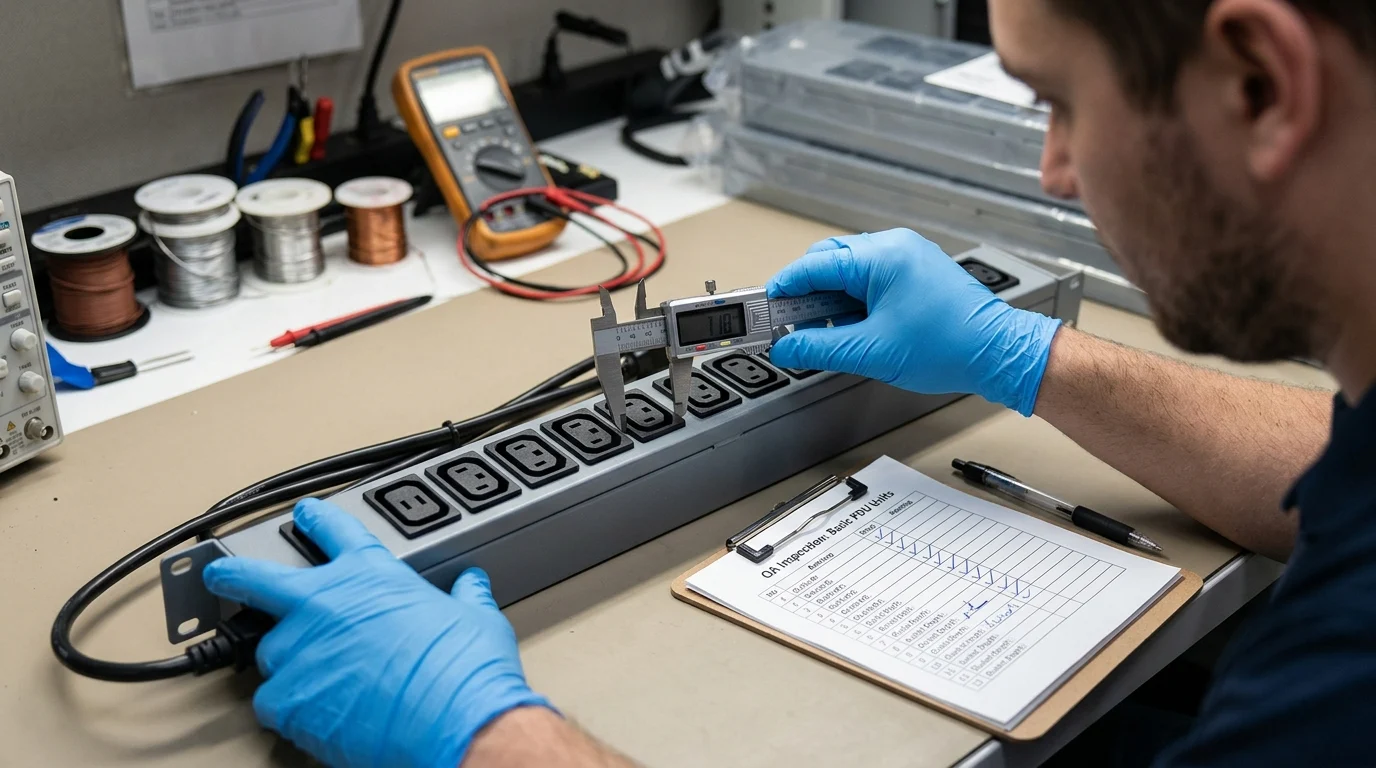
I always advise clients to understand the differences between unmanaged, metered, and intelligent power distribution units before finalizing their Infrastructure budgets. While the granular data and remote capabilities of smart units are valuable, installing expensive intelligent strips in every rack isn’t always the smartest financial move. Technology must match the actual operational requirement.
Core Feature and Cost Differences
Let’s look at a straightforward breakdown of how these three standard tiers stack up against each other. The differences in cost, complexity, and longevity are stark when you map them out side-by-side.
| PDU Type | Cost Multiplier | Network Port | Remote Switching | Est. MTBF (Hours) |
|---|---|---|---|---|
| Basic | 1.0x | No | No | > 100,000 |
| Metered | 2.5x | Yes (Local Display) | No | ~ 80,000 |
| Intelligent | 4.0x+ | Yes | Yes | ~ 60,000 |
Notice the Mean Time Between Failures (MTBF) column. Because standard units lack delicate LCD screens, onboard microprocessors, and network cards that can quickly degrade in 45°C hot aisles, their MTBF easily exceeds 100,000 hours. They are practically indestructible. In contrast, every smart feature introduces a new potential point of failure. I have visited dozens of server rooms where IT administrators demanded fully intelligent units, only to never log into the management interface after the initial setup. The data sits unused, but the premium price tag was already paid.
When Basic PDU Is the Better Option
So, when should you confidently stick to the basics? If your rack density sits comfortably under the 5kW to 10kW range and you already have branch circuit monitoring installed at the room’s main breaker panel, paying a massive premium for intelligent rack strips is entirely redundant.
A basic unit is the absolute Backbone for crypto mining rigs, large-scale rendering farms, and legacy colocation setups. In these environments, raw, continuous power delivery is the only metric that truly matters. A simple, rock-solid power strip will never fail you due to a firmware glitch, a forgotten password, or an expired security certificate.
How to Choose a Basic PDU Supplier
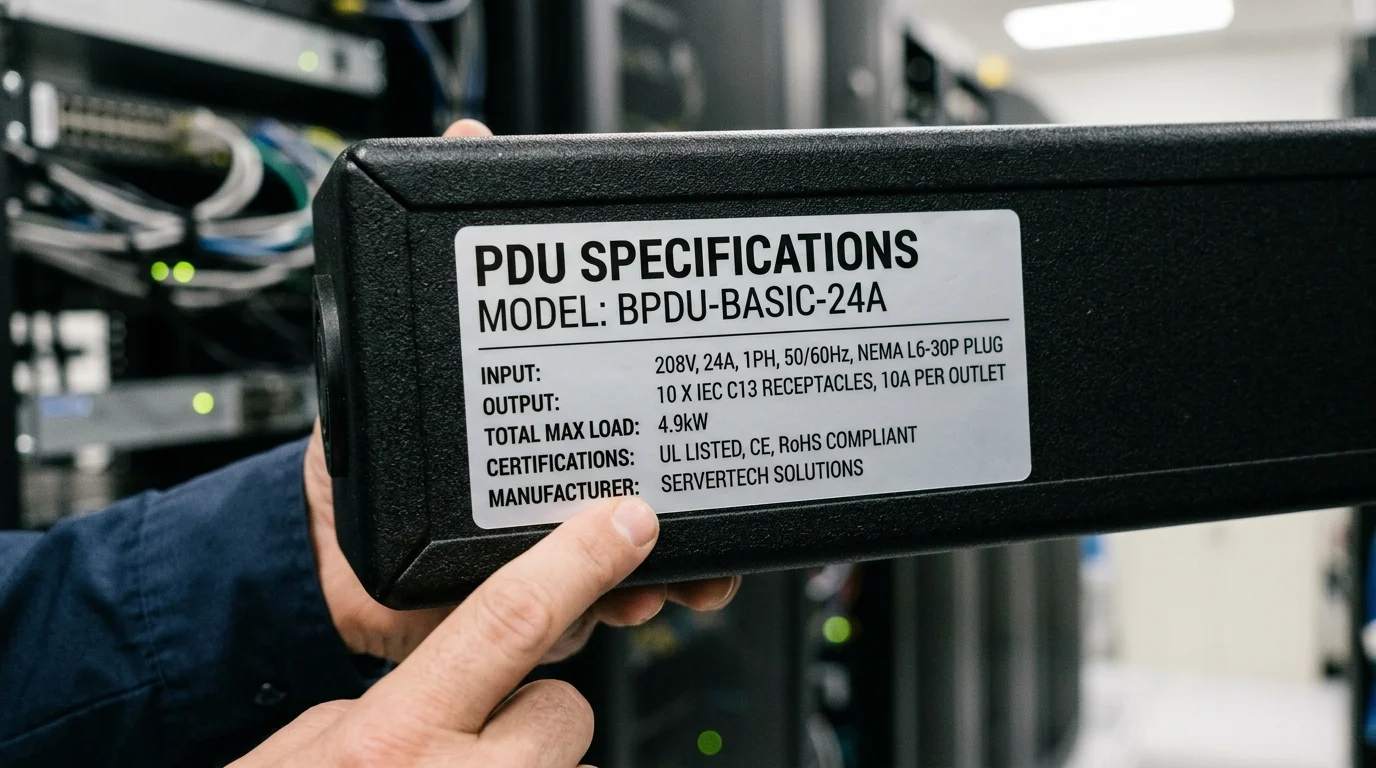
Finding the right manufacturing partner is just as critical as picking the right technical specifications. Over the last decade, I’ve seen firsthand how a supplier’s production capacity, quality control protocols, and R&D agility can either make or break a massive facility rollout. You aren’t just buying a piece of metal; you are buying peace of mind.
Key Specifications and Selection Criteria
When evaluating a supplier, you need to look past the glossy marketing brochures and dig into their actual manufacturing footprint. Quality of materials is paramount—you want robust aluminum extrusion housings for superior heat dissipation, not cheap plastics that warp under thermal load. I highly recommend partnering with established manufacturers who have proven scale.
For instance, a supplier operating a massive 30,000-square-meter facility with dedicated workshops for injection molding, painting, and aluminum machining directly controls its own supply chain. Furthermore, a dedicated R&D team—such as a group of eight seasoned engineers—is absolutely crucial. This ensures that if you need custom socket layouts, specific cord lengths, or unique mounting brackets, they can turn around precise CAD drawings in under 48 hours. Don’t forget to check their Minimum Order Quantity (MOQ); a flexible partner will offer MOQs starting around 50 to 100 units to support initial pilot runs before scaling up.
Final Buying Guidance
Finally, closely scrutinize their testing protocols and global export capabilities to ensure they can reliably support your deployments.
Key Takeaways
- The most important conclusions and rationale for Basic PDU
- Specs, compliance, and risk checks worth validating before you commit
- Practical next steps and caveats readers can apply immediately
Frequently Asked Questions
What is a Basic PDU?
A Basic PDU is a commercial rack power strip that delivers reliable power without networking, metering, or remote switching features.
When is a Basic PDU the best choice?
It fits small to medium server rooms, edge sites, and colocation racks where UPS or branch monitoring already covers power visibility.
How much can a Basic PDU save compared with intelligent models?
Basic PDUs often cut upfront hardware costs by 40% to 70% and avoid software, firmware, and network management expenses.
Why are Basic PDUs considered more reliable?
They have fewer components to fail, no LCDs or network cards, and often achieve higher MTBF in hot data center environments.
Where can I find Basic PDU options from Newsunn?
You can explore rack-ready Basic PDU products and specifications at newsunnpdu.com/basic-pdu/ and related product pages.
Post time: Apr-24-2026