

The rise of artificial intelligence and high-density cloud computing transforms modern server room infrastructure. Modern data center orchestration no longer relies on passive electrical rails to distribute energy. Instead, operators demand real-time telemetry to manage power profiles dynamically across distributed computing clusters. This shift establishes a strict mandate for billing-grade measurement precision within server enclosures. Specifically, facility architects require Class 1 accuracy to monitor root-mean-square current, voltage, and power factors within a one percent margin of error. Achieving this standard requires an extensive evaluation of global hardware manufacturing capabilities. Technical procurement teams analyze the Top 10 Factories Of Monitored Rack PDU Supplier options to build resilient hardware supply chains. This analytical baseline helps global enterprises select production partners based on quantifiable data rather than marketing promises. Ultimately, standardizing these metrics across international facility deployments protects expensive computing components from preventable downtime.
Decoding the Protocol Divide: Reconciling SNMP and Modbus TCP/IP Frameworks
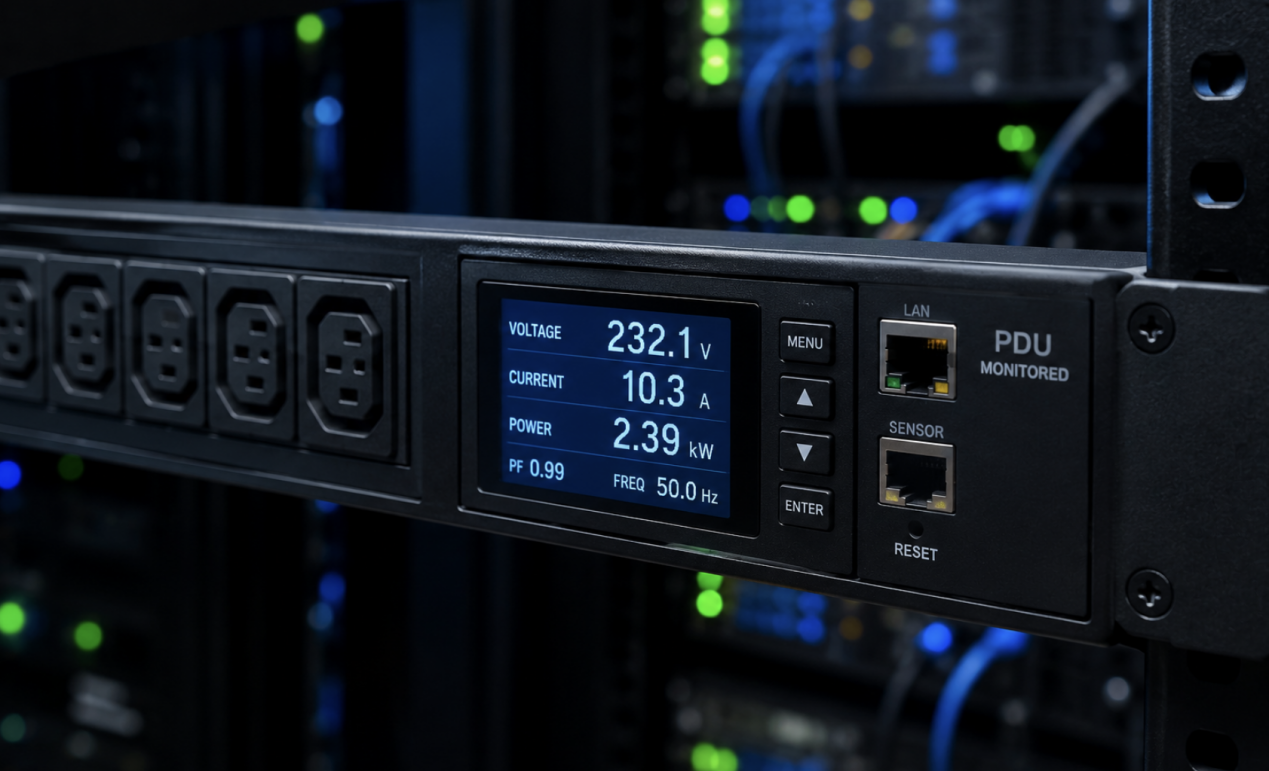
Modern colocation data centers run complex network management architectures that operate on distinct operational layers. For example, Information Technology personnel manage infrastructure through centralized Network Operations Centers. Conversely, industrial facilities engineers monitor building parameters using specialized Building Management Systems. Intelligent power hardware must bridge this protocol divide to ensure comprehensive facility visibility. To achieve this synchronization, elite monitored power rails implement dual-protocol transmission capabilities simultaneously. The IT networking layer requires the Simple Network Management Protocol to interface with existing server monitoring tools. Consequently, engineers demand the immutable security of SNMP V3 encryption to protect telemetry streams from external interception. Meanwhile, the industrial automation layer relies heavily on Modbus TCP/IP communication protocols due to its lightweight register mapping. This industrial protocol ensures ultra-low latency data transmission even inside high electromagnetic interference environments. Top-tier manufacturers design intelligent communication modules that support both standards natively without requiring third-party data converters. This architectural integration reduces system complexity and eliminates common software integration bottlenecks during facility deployment.
The Silicon and Firmware Gap: Sensor Calibration and Processing Resilience
The division between premium telemetry rails and low-cost commodity hardware lies deep within the internal processing architecture. High-precision measurement requires superior component selection at the silicon level. For instance, billing-grade systems deploy advanced current transformers that resist thermal drift effectively. This specialized hardware maintains accurate sampling even when cabinet temperatures rise during peak processing loads. Furthermore, advanced analog-to-digital converters must process raw electrical signals at rapid sampling frequencies to capture brief voltage fluctuations. Firmware optimization represents another critical engineering metric for monitored units. During high-concurrency polling cycles, standard network modules frequently suffer from packet loss or processor freezing. To solve this problem, premier manufacturers develop multi-threaded internal microkernels to handle network traffic efficiently. This resilient firmware execution isolates telemetry processing from core power distribution circuits. Additionally, the physical architecture relies on solid copper busbars to optimize structural thermal stability. Solid copper paths exhibit lower natural electrical resistance compared to internal wire bundles, preventing localized hotspots near sensitive monitoring microchips.
The Direct-to-Factory Procurement Blueprint: Mitigating Intermediary Friction
Procuring specialized technical hardware for global infrastructure projects introduces significant operational friction when dealing with middlebrokers. Traditional multi-layered distribution networks frequently distort engineering requirements during custom product revisions. When project architects demand unique socket configurations or specific chassis lengths, trading companies often misinterpret technical drawings. This communication breakdown results in expensive manufacturing defects and prolonged deployment delays. For this reason, global enterprise procurement teams increasingly prefer direct-to-factory relationships. Partnering directly with asset-owning manufacturing centers removes unnecessary commercial markups and streamlines technical communication. Furthermore, direct collaboration allows infrastructure developers to negotiate flexible design adaptations without facing extreme financial premiums. For example, system integrators can easily request custom combinations like 19″ IEC C13 C19 rack power distribution units with integrated locking sleeves. Eliminating intermediary brokers allows organizations to balance hardware budgets while securing precise engineering configurations tailored to complex facility layouts.
Aligning Global Standards with Newsunn’s Vertically Integrated Manufacturing Ecosystem
Meeting these stringent transnational technical standards requires a manufacturing partner with absolute control over its production pipeline. Choosing a supplier that practices complete vertical integration eliminates dependencies on volatile component vendors. A notable example of this operational framework is Newsunn, an enterprise that runs a unified production model. The manufacturer owns and operates a centralized 30,000 square meters industrial facility to maintain total quality control. This expansive footprint includes specialized workshops for precision tooling, injection molding, metal stamping, and automated electronic assembly. Controlling every stage of fabrication allows Ningbo Newsun Network Ltd. to eliminate dimensional variations across large production runs. This structural sovereignty supports a massive annual output capacity of 1,200k units to handle hyper-scale international orders.
Furthermore, this integrated production scale allows the factory to deliver predictable lead times of 25 to 30 days for overseas shipments. The facility utilizes this manufacturing agility to offer exceptional customization flexibility to global engineering teams. For example, Newsunn (Ningbo Newsun Network Ltd.) comfortably handles specialized technical requests with low minimum order thresholds starting at only 100 units. This flexible framework enables regional integrators to test localized market configurations without committing to massive upfront inventory costs. The factory engineers manage the software firmware and physical molds concurrently under one roof. This internal synergy ensures that any non-standard product modification satisfies both physical tolerance parameters and protocol compliance baselines perfectly.
Multi-Stage Automated Quality Loops: Validating Compliance Beyond Certifications
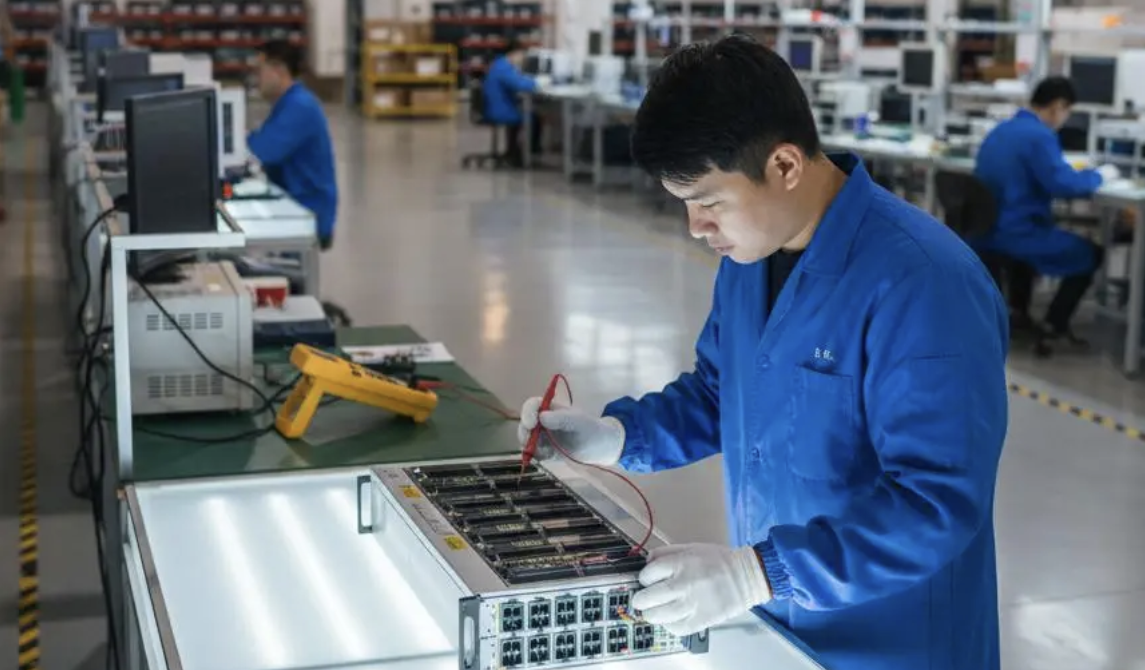
Securing long-term operational reliability requires a structured approach to factory quality assurance testing before final export. Simple electrical continuity checks cannot detect latent component weaknesses inside intelligent telemetry hardware. For this reason, world-class production facilities enforce multi-stage automated stress loops during final assembly. Technicians subject every completed unit to a mandatory 2000V high-voltage Hi-pot isolation routine. This intense test verifies that the internal insulation barriers completely protect sensitive communication modules from high-voltage spikes. Ground resistance monitoring also confirms that the grounded aluminum chassis provides absolute physical safety for on-site data center personnel.
Following initial electrical checkouts, the completed units undergo an exhaustive online continuous aging test loop. The factory places every smart rail under full load parameters for a non-negotiable 48-hour period inside thermal soak chambers. This extended stress test stabilizes the analog-to-digital converters and successfully eliminates infant mortality defects in the communication chipsets. By implementing these rigorous testing protocols, manufacturers validate their technical performance through verifiable performance data rather than basic compliance paperwork. This thorough quality verification guarantees that the exported hardware operates flawlessly in live, high-density computing environments.
Conclusion
Procuring high-quality monitored power distribution units requires a clear understanding of international metrology and networking standards. Global facility managers must evaluate potential manufacturing partners based on measurement precision, secure protocol integration, and direct production sovereignty. True industry leaders differentiate themselves by offering billing-grade current sensing, dual-protocol communication, and vertically integrated quality control systems. Investing in robustly engineered power hardware eliminates deployment uncertainties and minimizes ongoing operational maintenance overhead. Partnering with an integrated engineering enterprise ensures a reliable hardware chain for large-scale digital infrastructure expansions. To review complete engineering dimensions and explore custom telemetry configurations, industry professionals can visit the official corporate portal at https://www.newsunnpdu.com/.
Post time: Sep-07-2026