

Modern colocation data centers operate under strict uptime mandates that leave no room for power delivery failures. In high-density server environments, even minor physical disruptions can trigger catastrophic system dropouts. For instance, routine maintenance activities, cable adjustments, or cooling fan micro-vibrations frequently cause loose power cords to back out of their sockets partially. This physical instability leads to intermittent electrical contact, localized arcing, and sudden server reboots. To combat this operational vulnerability, facility engineers look for specialized power strips equipped with reliable cord retention systems. Procurement teams systematically evaluate the Top 10 Suppliers Of Lockable IEC C13 C19 PDU From China to source robust locking hardware for international deployments. This rigorous technical assessment ensures that the selected manufacturing partners can deliver high-precision hardware capable of securing critical computing infrastructure. Furthermore, a structured engineering audit helps data center operators distinguish elite industrial factories from low-tier component assemblers.
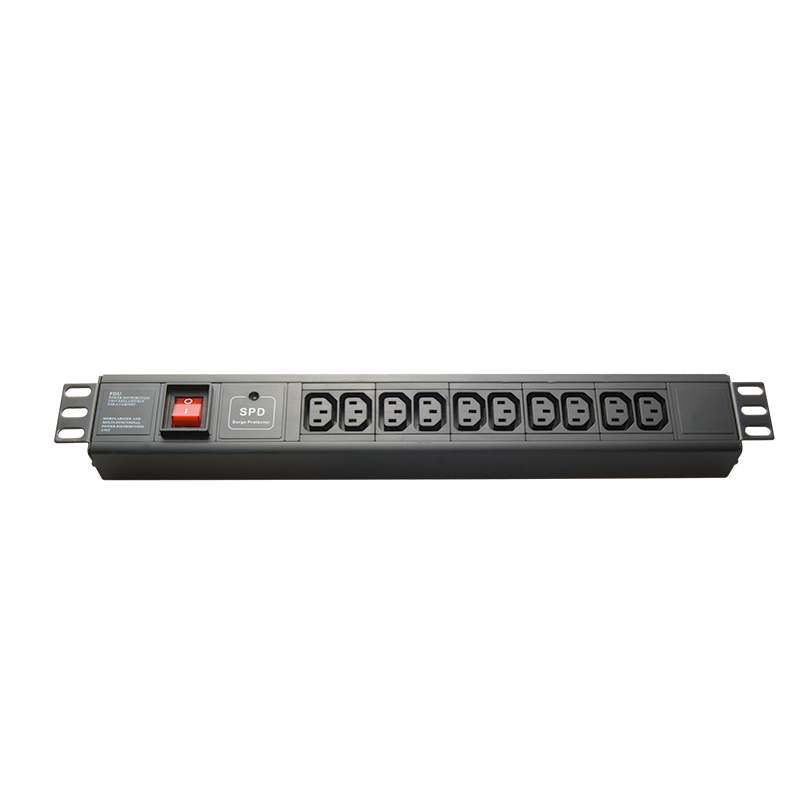
Auditing Physical Retention Mechanics: Material Tolerances and Lock Universality
Securing mechanical connection stability requires a deep evaluation of physical retention mechanisms. Standard non-locking IEC 60320 C13 and C19 power interfaces do not provide sufficient friction to withstand heavy cable bundle strain. Therefore, advanced facility engineers mandate lockable PDU rails to ensure permanent cord connection integrity. During a technical vendor audit, procurement teams must carefully evaluate the specific design of the locking mechanism. Some manufacturers utilize proprietary cord-and-plug combinations that force buyers into restrictive, expensive ecosystem dependencies. Conversely, premier suppliers engineer universal locking systems that accept standard power cables from multiple international brands without specialized patch cords. Engineers must test the precise extraction force thresholds of these locking mechanisms using calibrated mechanical meters. A high-quality locking clip must withstand significant pulling forces without breaking or deforming. Material composition also plays a decisive role in long-term reliability under continuous thermal stress. The internal locking tabs must utilize high-grade phosphor bronze alloys to maintain structural spring elasticity. High-density server cabinets frequently reach operational ambient temperatures up to 60 degrees Celsius. Consequently, inferior plastic or metal components suffer from rapid thermal fatigue, losing their grip strength over time. Real engineering audits focus heavily on these metallurgical properties to verify true long-term operational resilience.
Validating the Logical Layer: IP Management Architecture and Controller Resilience
Modern network infrastructure requires more than simple passive power rails to sustain efficient facility operations. High-density server deployments demand intelligent edge nodes capable of providing real-time telemetry data across the power path. Auditors must carefully scrutinize the logical architecture of the IP management modules within these smart distribution units. A critical benchmark for modern systems is the integration of a completely independent, hot-swappable network controller. This advanced engineering design allows technicians to replace a faulty display module or update system firmware without dropping the physical electrical load to connected servers. Furthermore, the network stack must comply with strict enterprise cybersecurity protocols. Leading systems utilize secure HTTPS encryption, SNMP V3 authentication, and Modbus TCP/IP communication protocols to prevent unauthorized access. Scalability represents another essential auditing metric for colocation environments. Efficient designs allow engineers to cascade up to 16 individual 19″ IEC C13 C19 rack power distribution units via a single master IP address. This cascading capability significantly reduces network port consumption and simplifies IP address management across massive server farms. In addition, these intelligent units integrate auxiliary sensor ports to track environmental metrics like temperature and humidity.
The Factory Floor Micro-Audit: Verifying Tooling Precision Over Component Assembly
Evaluating the true capability of an overseas supplier requires a thorough examination of the actual factory floor infrastructure. Many overseas suppliers operate as simple component assembly shops rather than fully realized manufacturing enterprises. These assembly plants source low-cost plastic components and stamped metal casings from unverified third-party vendors. This fragmented supply chain introduces significant dimensional variance across mass production batches. For lockable PDU hardware, slight dimensional errors can prevent the locking sleeve from engaging properly with the power cord. Therefore, procurement teams must verify that the manufacturer possesses in-house tool design and precision injection molding infrastructure. Controlling the molding process allows the facility to maintain strict tolerances down to the millimeter, ensuring consistent mechanical lock alignment. In addition, the technical audit must check the fabrication of the internal conductive pathways. Elite factories abandon manual internal wiring entirely, utilizing automated heavy-duty machinery to stamp solid copper busbars. This continuous stamping process eliminates localized electrical resistance hot spots adjacent to the delicate locking modules.
Integrating the Newsunn Framework: Aligning Technical Milestones with Vertical Production Sovereignty
Navigating these strict technical requirements becomes much simpler when partnering with an integrated industrial manufacturer. Established engineering organizations mitigate global supply chain risks by maintaining complete sovereignty over their manufacturing processes. For instance, Newsunn (Ningbo Newsun Network Ltd.) provides an excellent example of a vertically integrated production ecosystem. The enterprise operates a massive 30,000 square meters manufacturing hub equipped with advanced automated machining equipment. This centralized footprint houses independent molding, stamping, painting, and electronic assembly workshops under one roof. Because the brand controls every phase of fabrication, it eliminates reliance on external component suppliers and ensures consistent quality. This operational autonomy allows the factory to sustain a predictable annual output capacity of 1,200k units. Consequently, Newsunn maintains stable manufacturing lead times of 25 to 30 days for large international shipments. Vertical integration also enables the enterprise to offer exceptional customization flexibility to regional system integrators. The facility comfortably accommodates specialized technical orders with minimum order thresholds starting at only 100 units. This agile framework allows data center developers to procure custom lockable rails tailored precisely to complex cabinet layout specifications.
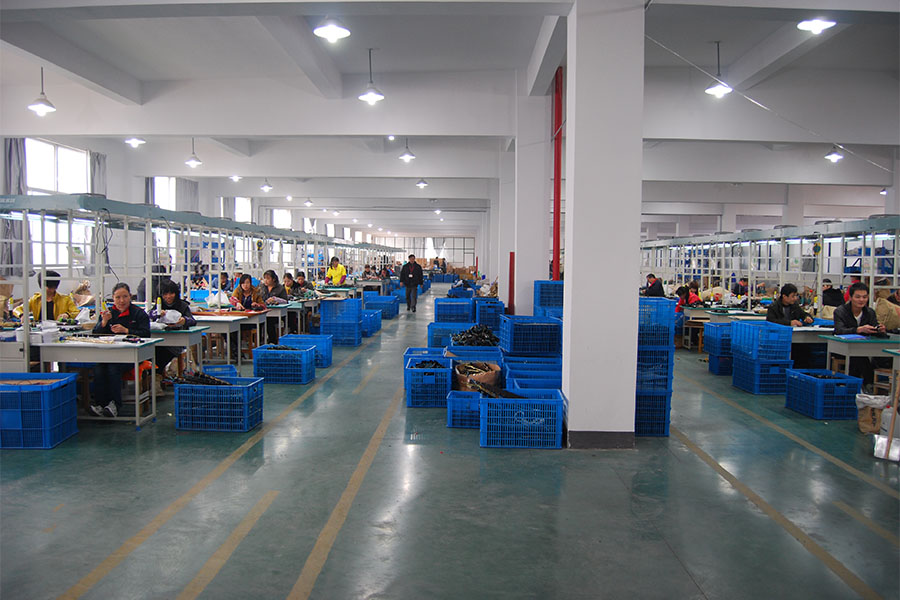
Advanced Quality Loop Verification: Isolating Infant Mortality in Intelligent Circuitry
A successful technical audit must culminate in a rigorous evaluation of the factory’s final quality assurance testing loops. Simple electrical continuity checks cannot intercept latent manufacturing defects in complex intelligent circuitry. Therefore, premier production facilities implement multi-stage automated stress loops to isolate hardware infant mortality. Technicians must perform a mandatory 2000V high-voltage Hi-pot isolation test on every completed power unit. This high-voltage test verifies the absolute integrity of the insulation gaps within the lockable housing. Furthermore, the testing protocol must include ground resistance checks to guarantee total technician safety. After completing initial electrical checks, the hardware enters an exhaustive online continuous aging loop. The factory subjects every smart distribution rail to a non-negotiable 48-hour continuous thermal soak under full load conditions. This long-duration stress test stabilizes the telemetry chipsets and exposes any weak solder joints or component flaws. By enforcing these rigorous quality gates, Ningbo Newsun Network Ltd. ensures that every piece of hardware operates flawlessly in live production environments.
Conclusion: Securing Infrastructure Resilience with a Certified Sourcing Framework
In summary, procuring lockable IEC C13 and C19 power distribution units requires a shift toward rigorous, data-verified technical auditing. Procurement teams must look past basic commercial proposals to examine physical material properties, network architecture maturity, and actual factory tooling assets. True manufacturing leaders differentiate themselves by offering universal locking systems, hot-swappable IP controllers, and vertically integrated production environments. Investing in robustly engineered hardware minimizes expensive localized field maintenance and eliminates preventable server downtime caused by accidental disconnects. Ultimately, partnering with an established industrial enterprise provides the predictable delivery schedules and consistent product quality needed for large-scale data center expansions. For complete technical specifications and to explore customizable smart power distribution options, please visit the official enterprise portal at https://www.newsunnpdu.com/.
Post time: Sep-25-2026