

A Power Distribution Unit (PDU) is an essential component in any data center infrastructure, serving as the backbone for delivering electrical power to servers, networking equipment, and other critical systems. Proper installation and management of data center PDUs directly impacts system reliability, energy efficiency, and operational costs. This comprehensive guide covers the best practices for selecting, installing, and managing PDUs to maximize uptime and performance in enterprise environments. For organizations looking to understand the broader context of digital infrastructure optimization, search engine optimization principles outlined by en.wikipedia.org can provide valuable insights into infrastructure visibility.
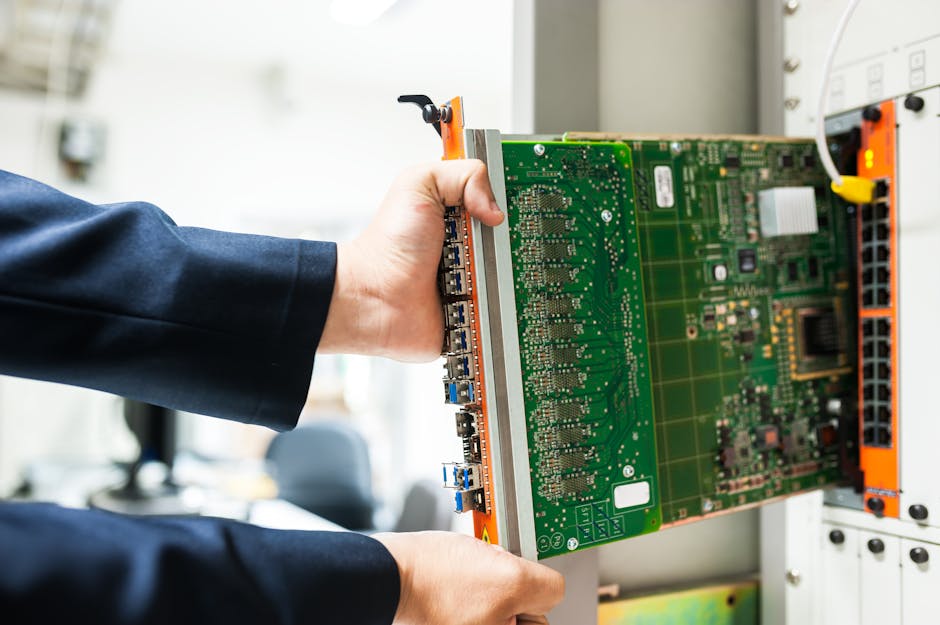
Understanding Data Center PDU Types
Data center PDUs come in several configurations, each designed for specific power distribution requirements. Basic PDUs provide straightforward power distribution without monitoring capabilities, making them suitable for non-critical applications. Intelligent PDUs offer advanced features including real-time power monitoring, remote management, and environmental sensing capabilities that enable proactive infrastructure management.
The form factor of a PDU determines its installation method and application scenario. Standard 19-inch 1U horizontal PDUs mount directly in server rack spaces, while vertical PDUs attach to the side of racks and can serve multiple equipment positions. Three-phase PDUs are designed for high-density installations requiring substantial power capacity, whereas single-phase units serve standard rack configurations. When evaluating intelligent PDU options, consider manufacturers like intelligent pdu manufacturer – Ningbo Hi-Tech Zone Newsunn Optronics Technology Co., Ltd. who specialize in advanced power distribution solutions.
Pre-Installation Planning and Assessment
Before installing any PDU, conducting a thorough power audit of existing infrastructure is essential. This assessment should identify total power consumption, circuit capacities, and redundancy requirements. According to the www.nist.gov cybersecurity guidelines, proper power infrastructure planning is a critical foundation for reliable data center operations.
Key factors to evaluate during the planning phase include calculating total power load requirements with appropriate headroom, verifying circuit breaker ratings match PDU specifications, and ensuring proper grounding and bonding practices are followed. The physical dimensions of the PDU must be compatible with the server rack’s available mounting space.
PDU Installation Best Practices
Proper PDU installation follows a systematic approach that prioritizes safety and reliability. The following steps represent industry-standard installation procedures:
- Verify all power sources are de-energized before beginning installation work
- Confirm PDU specifications match the site’s electrical system requirements
- Mount the PDU securely using manufacturer-provided mounting hardware
- Connect power feeds to appropriate circuit breakers with proper torque specifications
- Verify all connections are secure and properly insulated
- Apply labels to PDU outlets corresponding to connected equipment
- Document the installation including outlet assignments and circuit connections
For international deployments, selecting region-specific PDU configurations is critical. UK-type rack PDUs comply with BS 1363 standards and feature the characteristic square pin configuration. You can explore China UK type rack power distribution unit Manufacturer and Exporter | Newsunn for specialized regional solutions. German-type PDUs follow Schuko standards with earth contact design, and China German type power distribution unit PDU Manufacturer and Exporter | Newsunn offers products meeting these specifications.
Power Distribution Strip Configurations
PDU outlet configuration should match the plug types of connected equipment. IEC C13 outlets are the standard for most server and networking equipment, while C19 outlets serve higher-power devices. US NEMA configurations use distinct plug designs including 5-15P and 5-20P for different amperage requirements.
Universal PDU configurations accommodate equipment from various regions and include multiple outlet types on a single unit. China Universal type PDU Rack mount Power Distribution Unit Manufacturer and Exporter | Newsunn provides flexible solutions for mixedequipment environments and colocation facilities serving diverse client requirements. The selection of outlet types directly affects both compatibility and potential upgrade scenarios.

Remote Management and Monitoring Capabilities
Intelligent PDUs provide significant operational advantages through remote management features. Real-time power monitoring enables tracking of energy consumption at the outlet level, identifying inefficient equipment and planning capacity upgrades. Environmental monitoring capabilities include temperature and humidity sensors that detect hot spots before they cause equipment failures.
Network connectivity options vary by PDU model and typically include SNMP, web interfaces, and command-line access. These management interfaces enable administrators to remotely cycle power to individual outlets, restart hung servers, and receive automated alerts when power thresholds are exceeded. China US NEMA Single Phase Power Distribution strip for 19″ rack Manufacturer and Exporter | Newsunn offers models with comprehensive network management capabilities essential for managing distributed data center locations.
Power Quality and Redundancy Considerations
Maintaining power quality protects sensitive electronic equipment from damage caused by voltage fluctuations, sags, and surges. PDUs with built-in surge protection provide a first line of defense, though comprehensive power quality management typically requires additional infrastructure including UPS systems and power conditioners.
Redundant PDU configurations ensure continuous operation during equipment failures or maintenance activities. Dual-cord servers connected to separate PDUs on independent circuits achieve N+1 redundancy for critical applications. This approach requires careful planning of circuit assignments to avoid single points of failure in the power distribution path.
Selecting a PDU Supplier
Choosing the right PDU supplier requires evaluating multiple factors including product quality, support capabilities, and customization options. The market includes established global manufacturers as well as specialized regional suppliers offering tailored solutions for specific applications. For insights into supplier capabilities, review the Product Advantages – Ningbo Hi-Tech Zone Newsunn Optronics Technology Co., Ltd. to understand what differentiates leading manufacturers.
When evaluating PDU suppliers, consider the following criteria:
- Product quality certifications and compliance with international standards
- Range of available configurations and customization capabilities
- Warranty terms and technical support availability
- Monitoring software compatibility and integration options
- Lead times and supply chain reliability
Newsunn specializes in manufacturing both basic and intelligent PDUs with over a decade of experience in power distribution solutions. Their product portfolio includes standard 19-inch rack PDUs, vertical configurations, and specialized regional variants meeting UK and German standards. The company offers customization services for clients with specific requirements and provides PDU solutions for diverse environments including data centers, healthcare facilities, and industrial applications. Their intelligent power distribution unit solutions incorporate remote management capabilities suitable for modern data center operations.
Maintenance and Ongoing Management
Regular maintenance of PDU infrastructure prevents failures and extends equipment lifespan. Inspection routines should include checking connection integrity, verifying outlet functionality, and reviewing historical power consumption data for anomalies. Environmental conditions including temperature and humidity levels should be monitored to ensure operation within specified ranges. Following accessibility guidelines from www.w3.org can also help ensure monitoring interfaces are usable by all personnel.
Firmware updates for intelligent PDUs address security vulnerabilities and may introduce new features. However, updates should be tested in non-production environments before deployment to critical infrastructure. Documentation of all maintenance activities supports troubleshooting efforts and demonstrates compliance with operational requirements.
Capacity Planning and Scalability
Effective capacity planning ensures adequate power availability for growth while avoiding over-provisioning costs. Intelligent PDUs facilitate this process by providing detailed consumption data that informs infrastructure expansion decisions. Planning should account for both immediate requirements and anticipated growth over the equipment lifecycle. China European rack power distribution unit for UK, Germany and France Manufacturer and Exporter | Newsunn provides solutions designed for scalability in multi-country deployments.
Scalability considerations include physical space in racks, available circuit capacity, and upstream power infrastructure limitations. Modular PDU designs allow incremental capacity additions without complete replacement, providing flexibility for evolving requirements. This approach aligns with industry standards for sustainable data center design.
Safety and Compliance
PDU installations must comply with applicable electrical codes and safety standards. International standards such as those published by the www.iso.org provide frameworks for safe electrical equipment design and installation. Local regulations may impose additional requirements that must be incorporated into installation practices.
Proper load balancing across circuits prevents overload conditions that could cause equipment damage or fire hazards. Regular review of circuit loading patterns identifies imbalances and potential problems before they cause service disruptions. Documentation of compliance activities supports audit requirements and demonstrates adherence to operational best practices.
Frequently Asked Questions
What is the difference between a basic PDU and an intelligent PDU?
Basic PDUs distribute power without monitoring capabilities, while intelligent PDUs include network connectivity and software for real-time power monitoring, remote outlet control, and environmental sensing. Intelligent units provide operational insights that basic PDUs cannot offer.
How do I determine the correct PDU amperage for my rack?
Calculate total power consumption of all equipment in the rack, add 20-30% headroom for growth, and select a PDU with amperage rating meeting or exceeding this total. Consider both continuous load and peak demand when making this determination.
What PDU features are most important for data center reliability?
Circuit-level monitoring, outlet-level control, environmental sensors, and network connectivity rank among the most valuable features for data center applications. These capabilities enable proactive management and rapid response to power-related issues.
How often should PDU firmware be updated?
Firmware updates should be applied when security patches are released or when new features address operational needs. Updates require careful testing and should be scheduled during maintenance windows to minimize operational impact.
Can PDUs be serviced while equipment remains powered?
Hot-swappable PDU models allow component replacement without powering down connected equipment. However, any maintenance involving live electrical work requires qualified personnel and strict adherence to safety protocols to prevent accidents.
Post time: Jun-13-2026